IDEAS WORTH THINKING ABOUT
Practical ideas for better dentistry.
Thinking on case acceptance, efficiency and creating a more successful practice.
You can filter articles by topic.
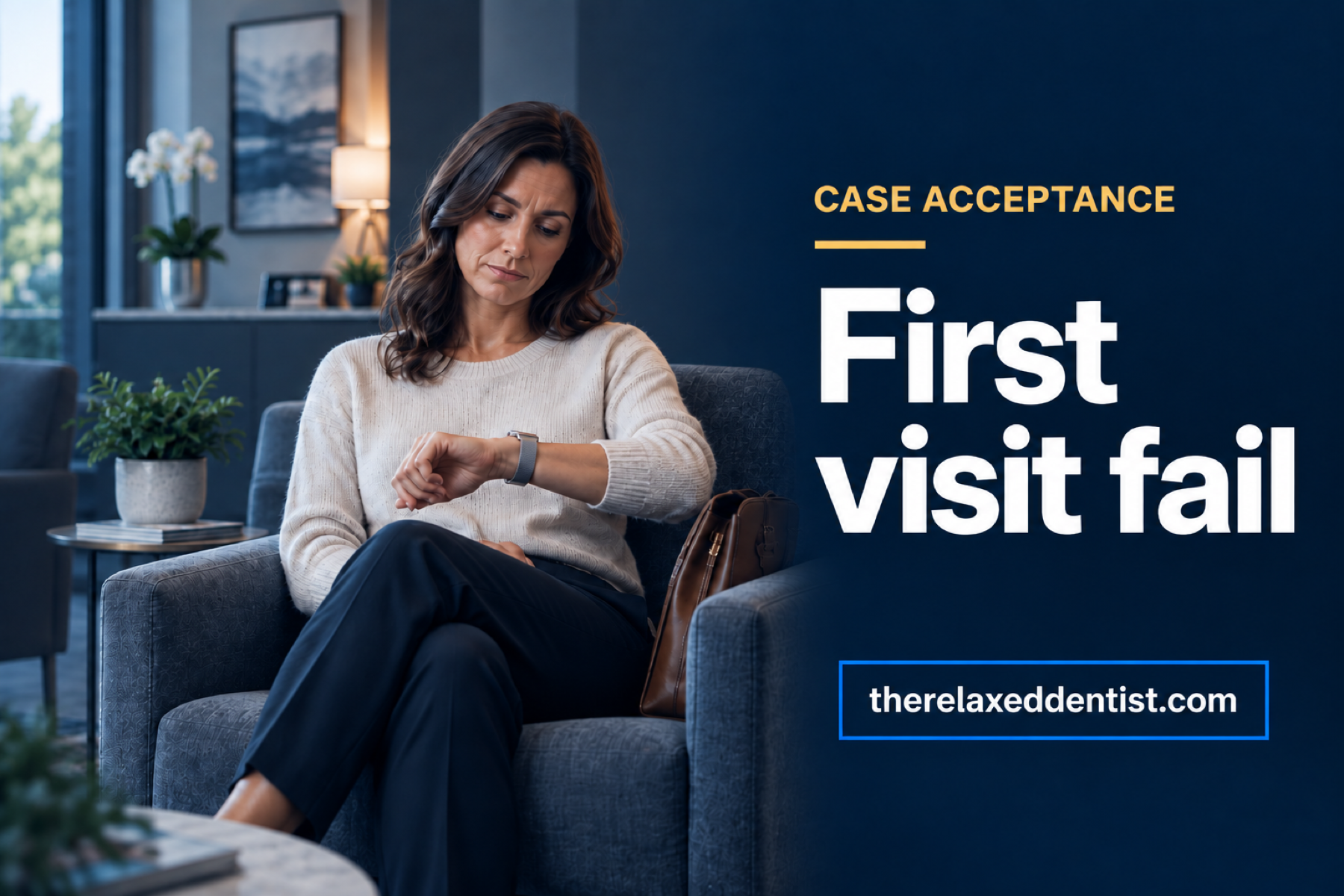
First visit fail
An appointment running 25 minutes late. No explanation, no apology. My first visit to a new medical practice reminded me how easily we can damage a patient’s first impression before care even begins.

A right to know
Are you offering patients the best treatment, or only what you think they can afford? A retired schoolteacher with a battered car reminded me why those assumptions can be so misleading.

“That’s expensive!”
When a patient says “That’s expensive!”, it’s tempting to explain why your dentistry is worth the fee. I’ve found a much simpler response that makes the conversation easier for both of you.
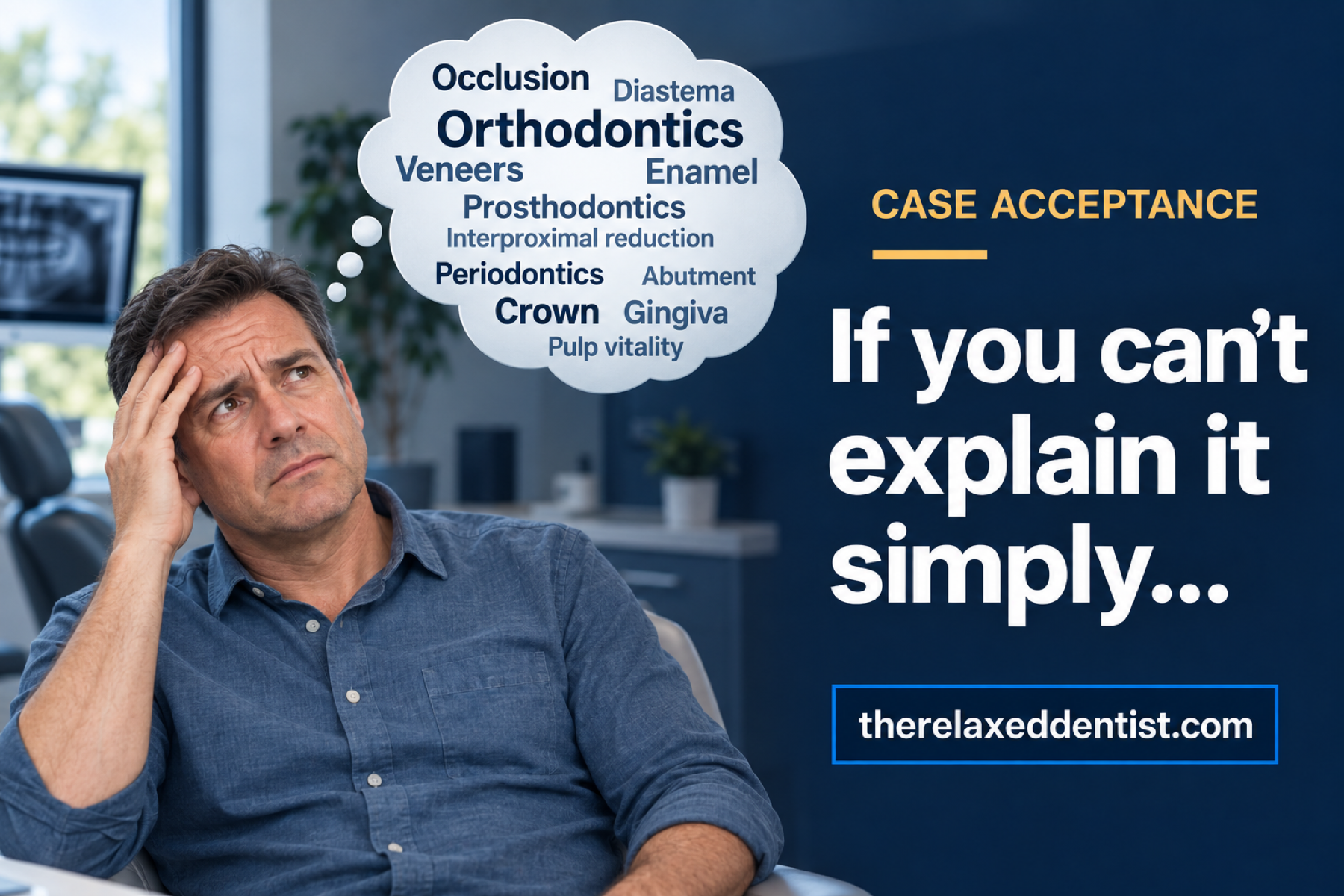
If you can’t explain it simply...
I recently watched a simple treatment discussion turn into a 45-minute consultation that left the patient confused. How much of what we explain actually helps patients decide?
Are you plain vanilla?
Flowers on the front desk won’t make your practice memorable. I explore how to give patients something to remember. Are you different, or are you plain vanilla?
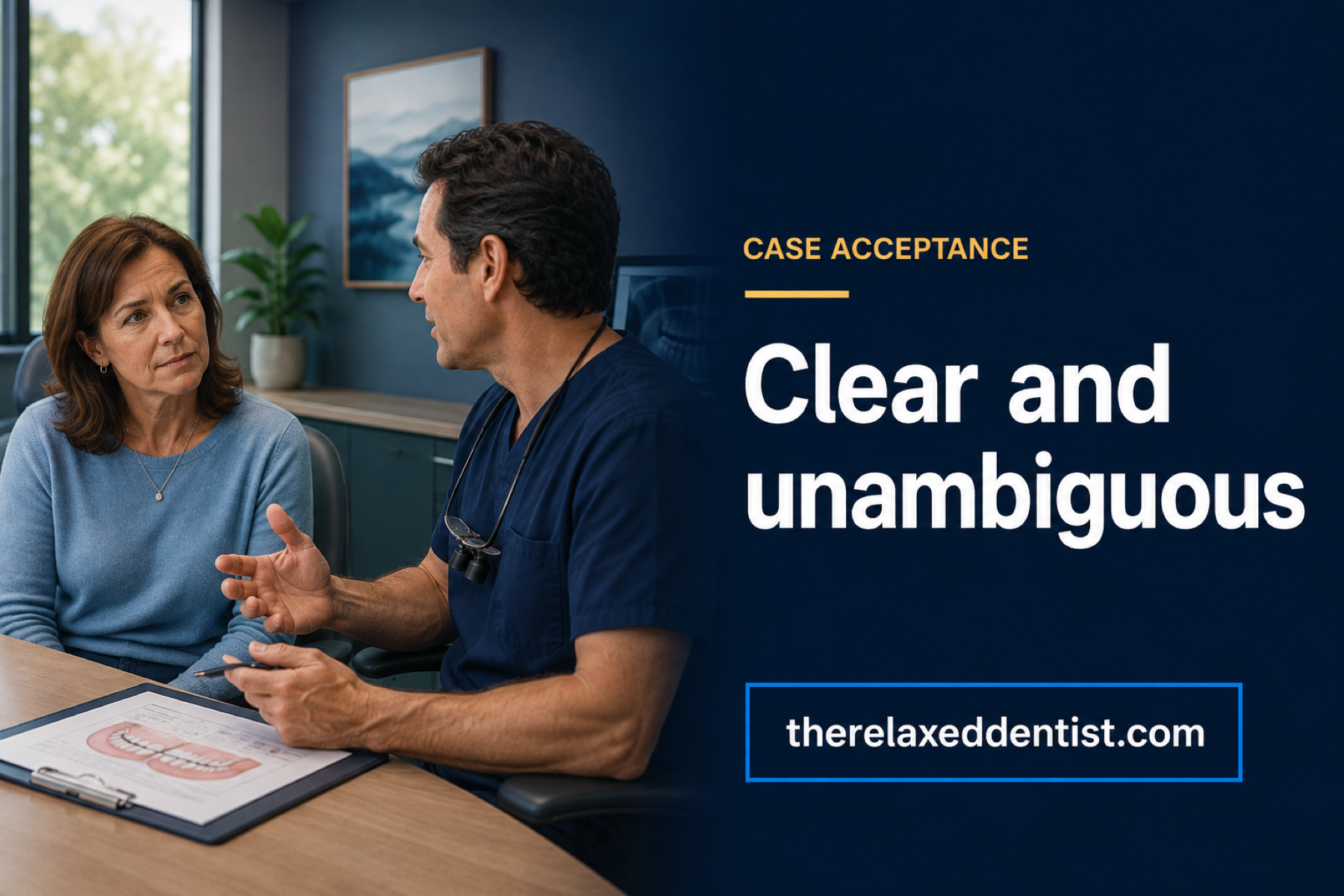
Clear and unambiguous
Vague advice feels kinder but leads to worse outcomes and can confuse patients. Patients need clear, direct guidance and they trust dentists more for giving it.
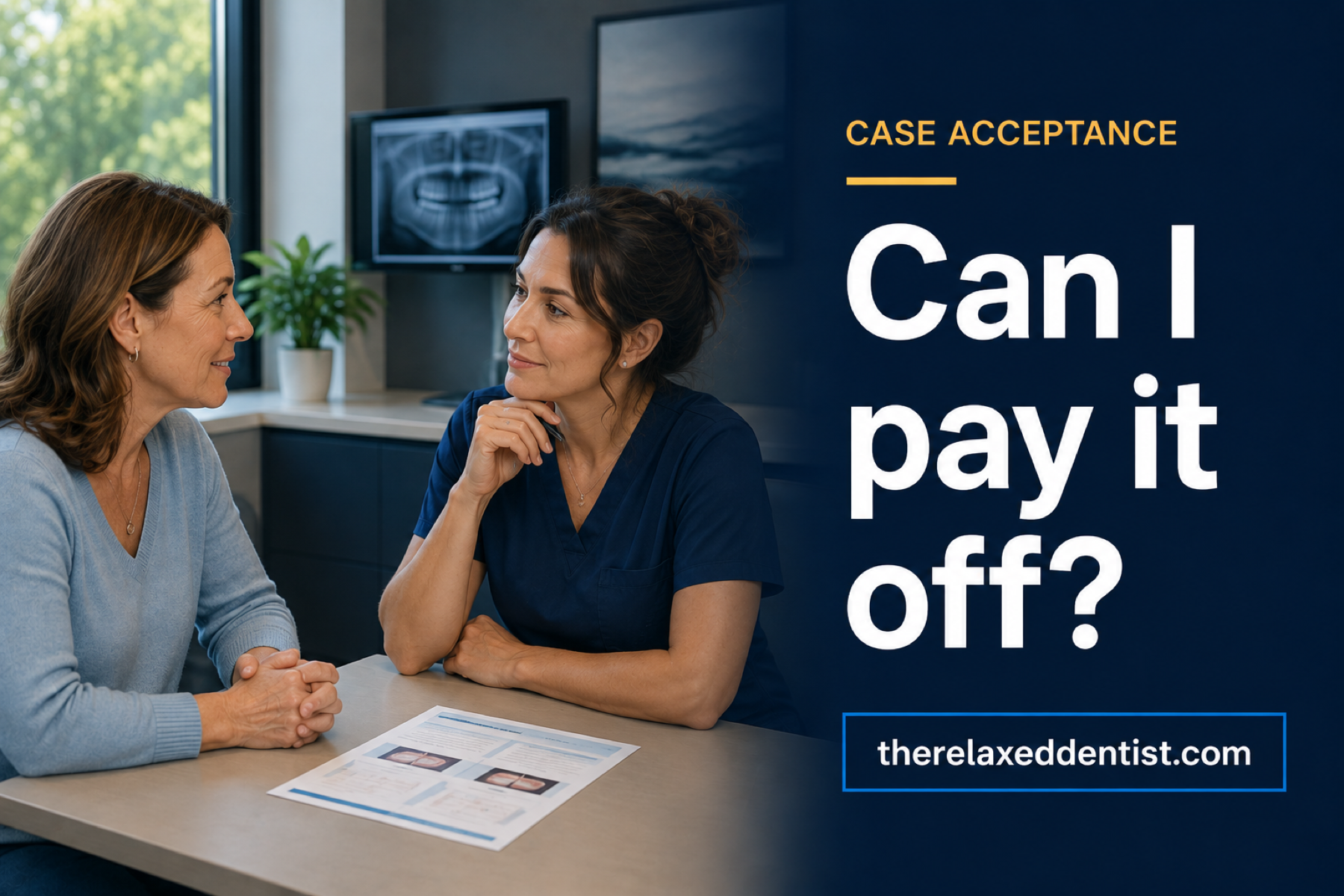
Can I pay it off?
“Can I pay it off?” It’s a familiar question, but agreeing to extend credit can complicate more than your cash flow. I explain why I keep lending separate from dentistry.
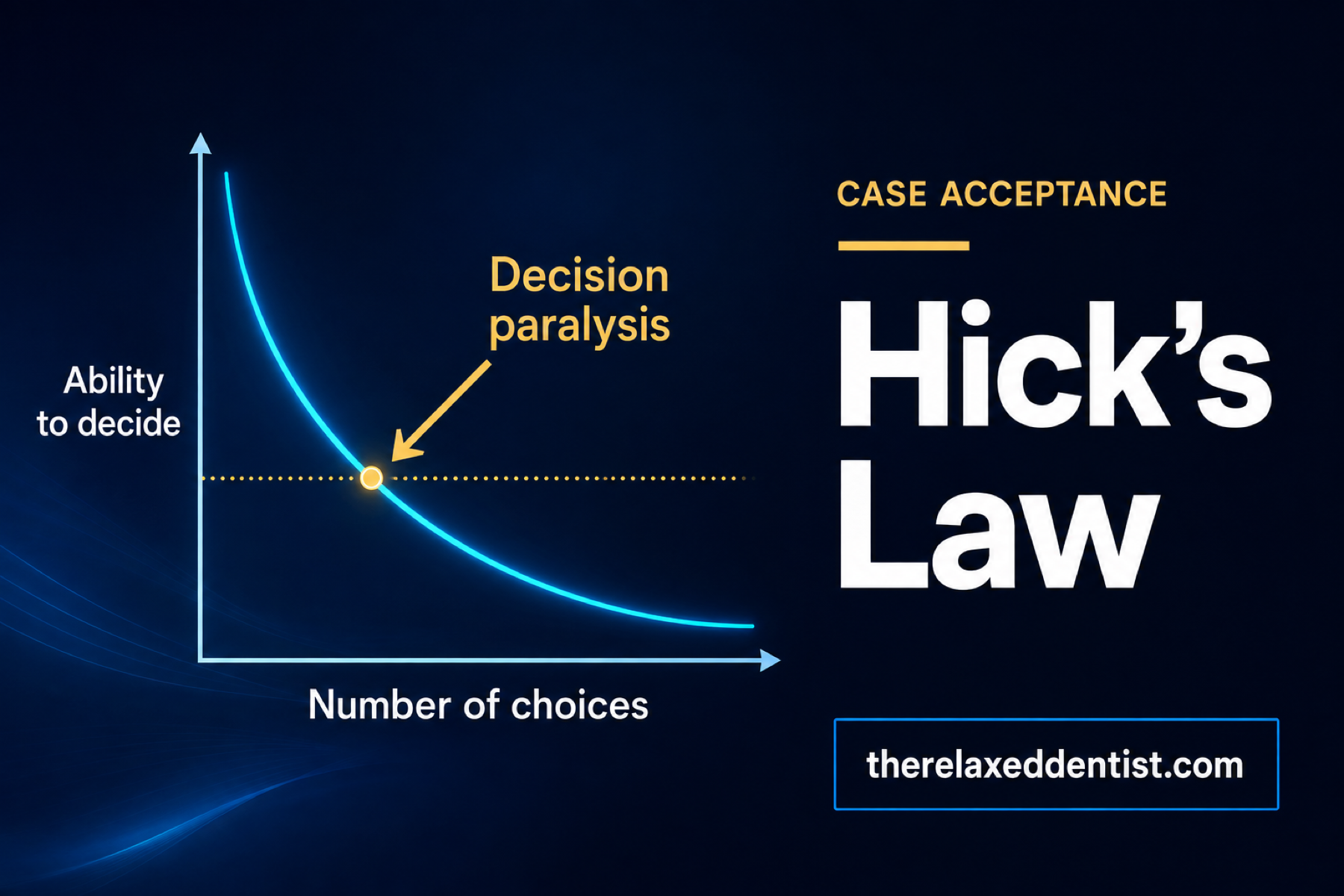
Hick’s Law
When patients say they’ll “go home and think about it”, you may have given them too much to think about. I explain how Hick’s Law applies to treatment discussions, and how one simple question helped a confused patient decide.
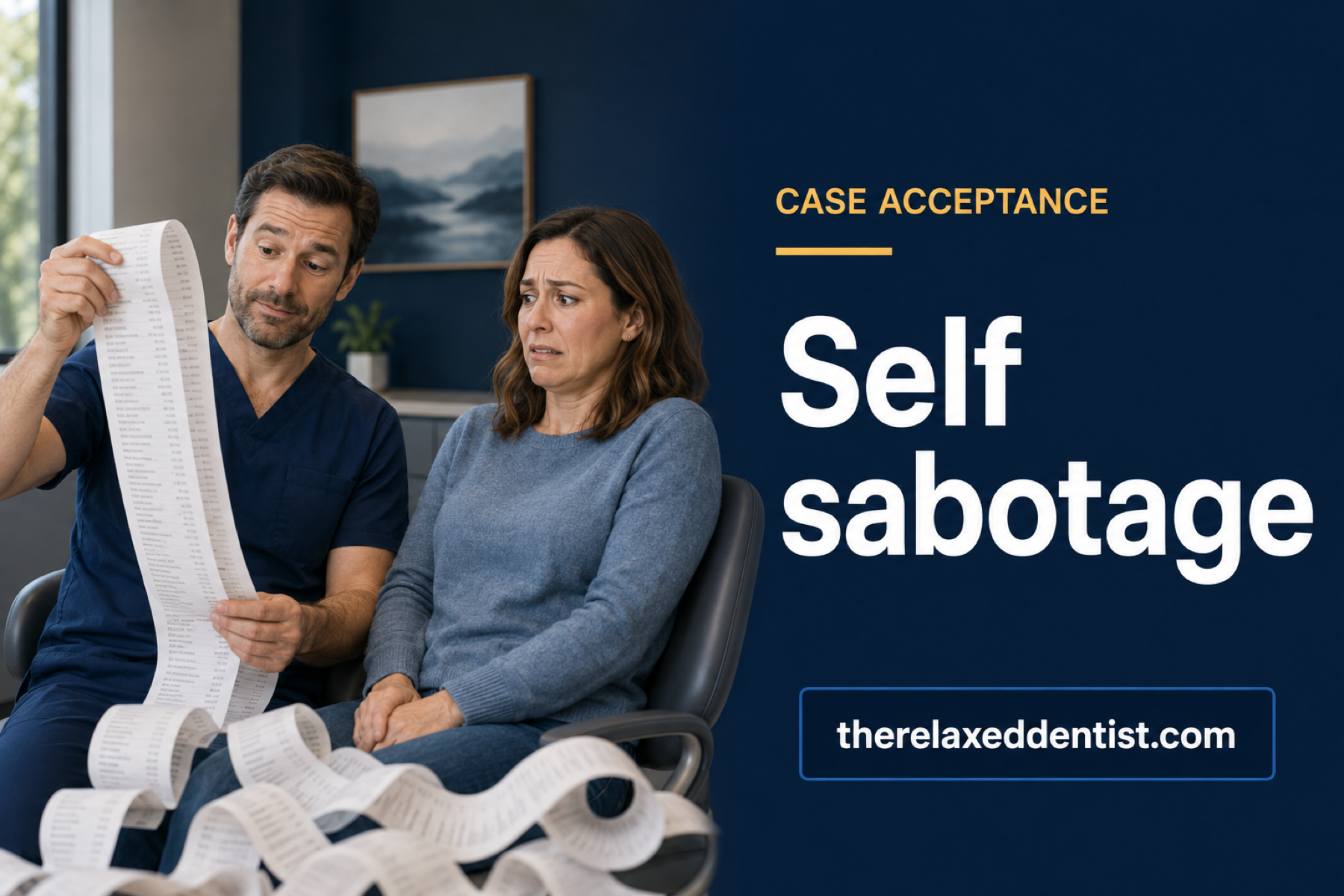
Self sabotage
Three patients went to a new oral surgeon. All three came back declining treatment. What had changed? Their experience made me question how dentists’ fear of failure can shape the way we explain risk.
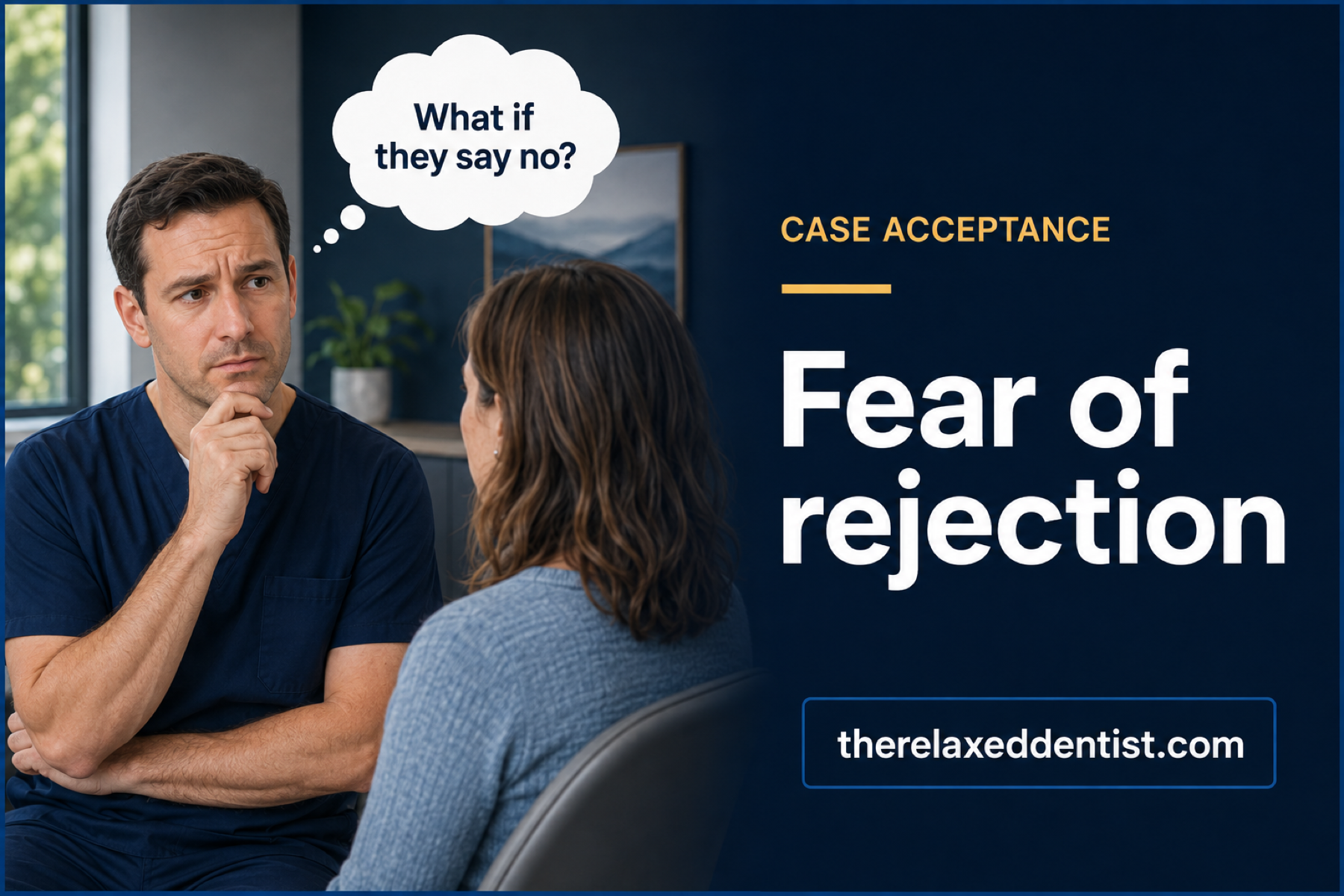
Fear of rejection
Are you offering patients the best treatment, or protecting yourself from hearing “no”? I used to avoid difficult treatment conversations too. Here’s how fear of rejection shapes what we say, and what we leave unsaid.
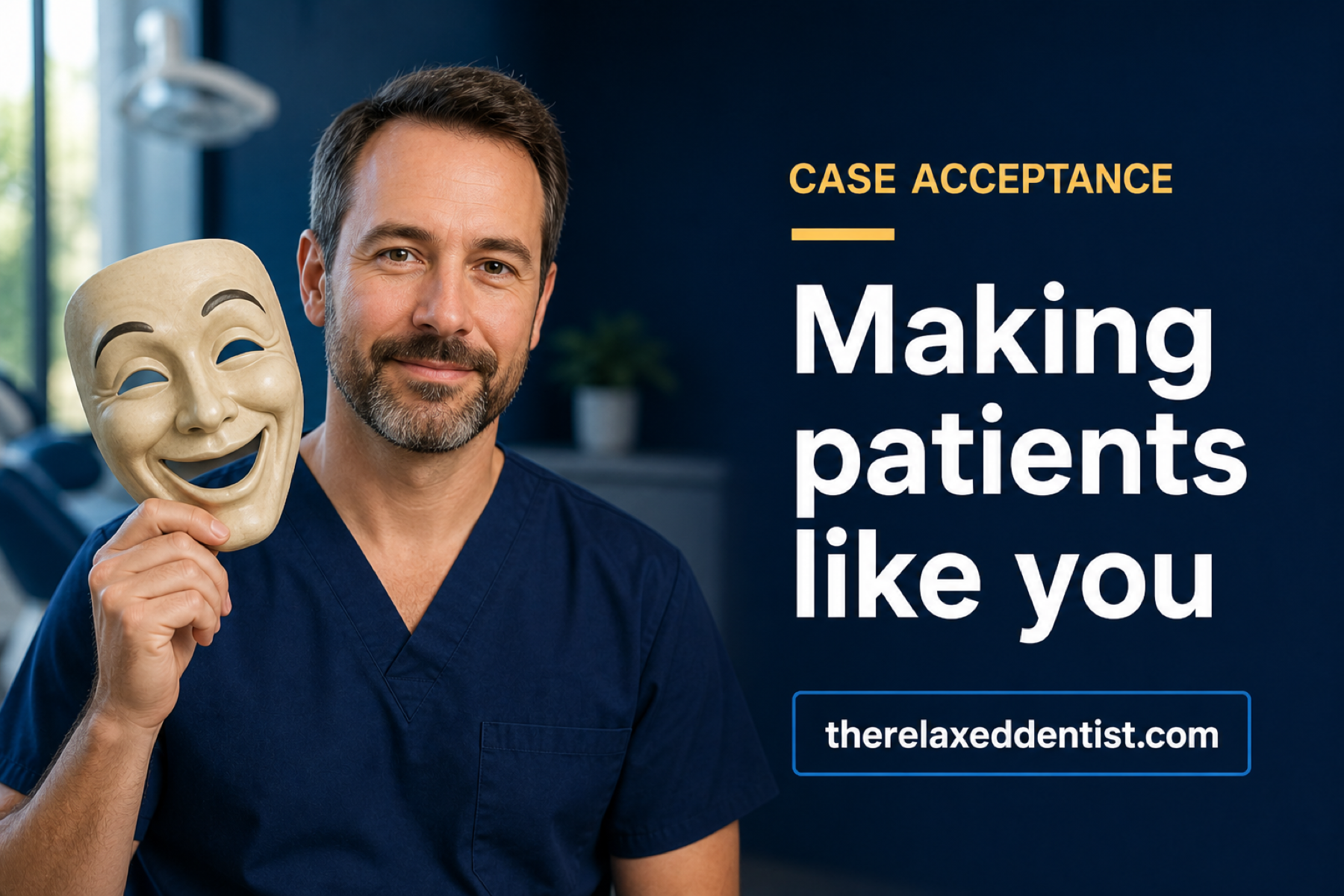
Making patients like you
Trying too hard to be liked can undermine the trust we want to build. I explore how forced friendliness and watered-down treatment recommendations can get in the way of honest, effective patient care.
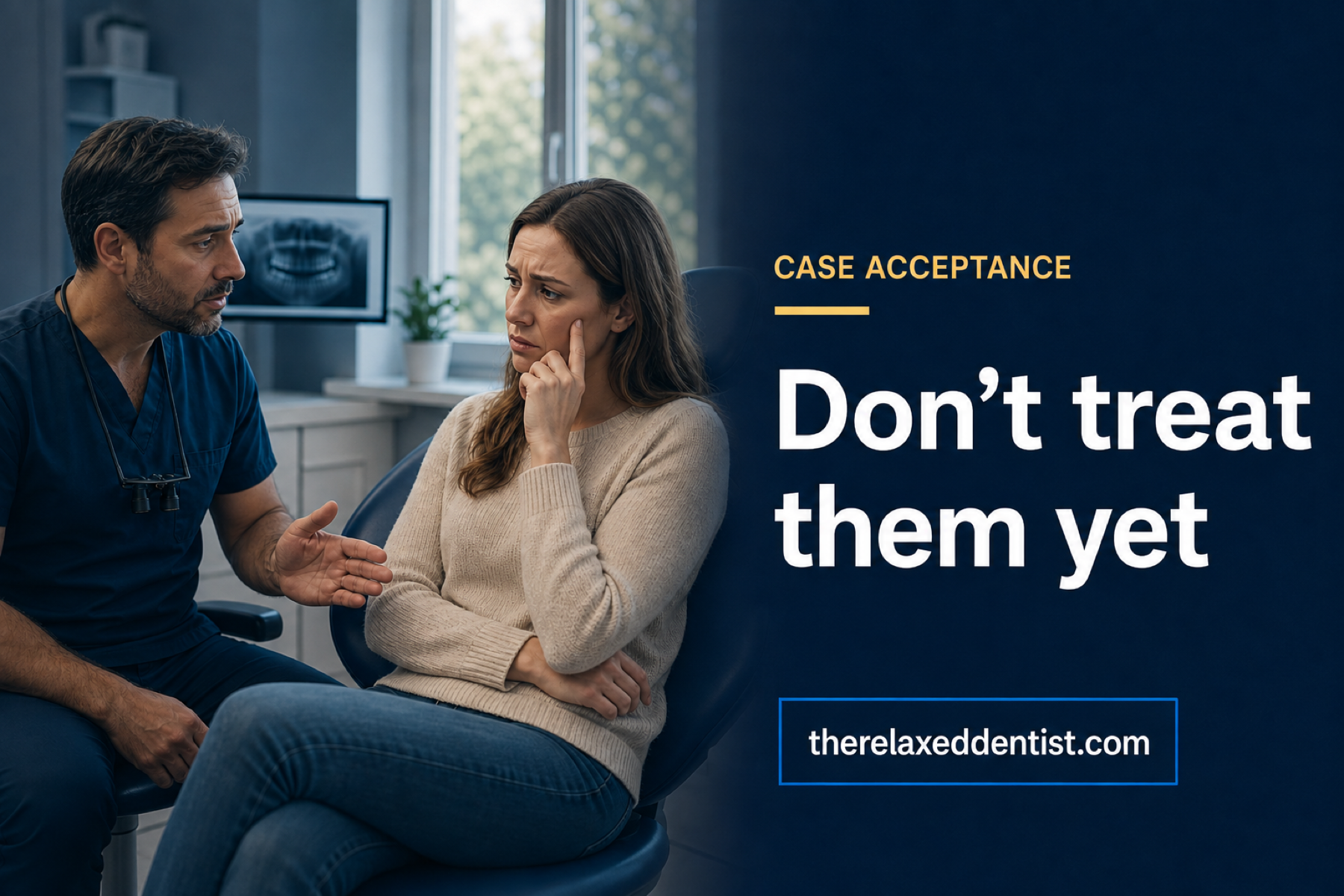
Don’t treat them yet
Patients may come in with unrealistic ideas. It’s wise to get them to reconnect with reality before treatment is started. Here are four strategies to help you do that.
Overcoming objections
“Overcoming objections” sounds like a useful communication skill. But when a patient’s hesitation becomes an obstacle to defeat, persuasion can become pressure and the relationship can become unhealthy.
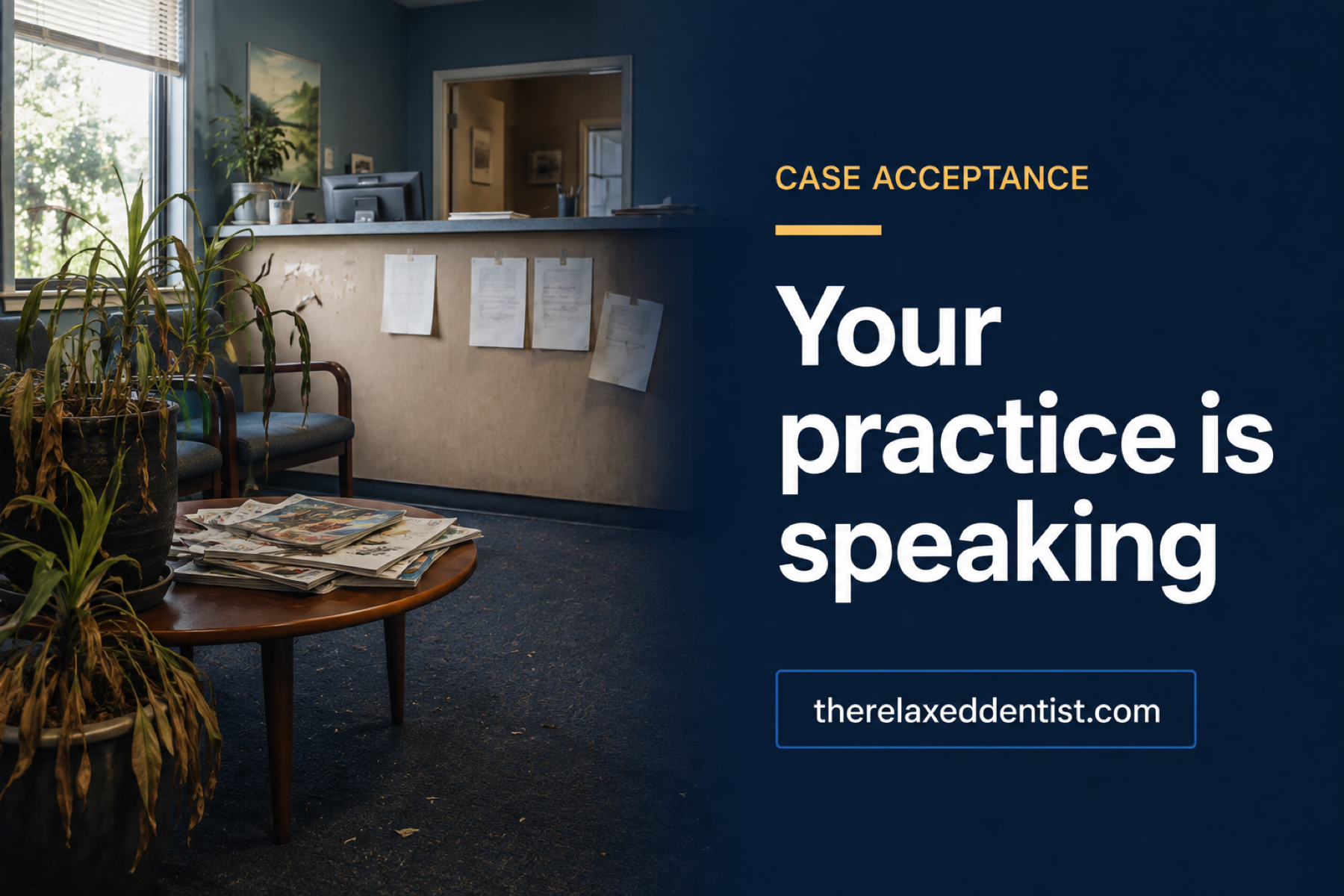
Your practice is speaking
Patients judge quality through what they can see. Tired furniture, dusty plants and taped-up signs undermine trust. Cleanliness, consistency and attention to detail matter far more than marble or designer furniture.
Stop minimising
Dentists soften bad news with "little," "quick" and "tiny" because they're trying to be kind. Minimising language leaves patients unsure whether their problem is serious. Channel some Dr Ben Casey gravitas instead.
Sell treatment? No way!
Selling treatment creates pressure. The alternative mindset removes it entirely, and paradoxically lifts your case acceptance rate. Here's why "reactance" makes pushing counterproductive, and what to do instead.