IDEAS WORTH THINKING ABOUT
Practical ideas for better dentistry.
Thinking on case acceptance, efficiency and creating a more successful practice.
You can filter articles by topic.
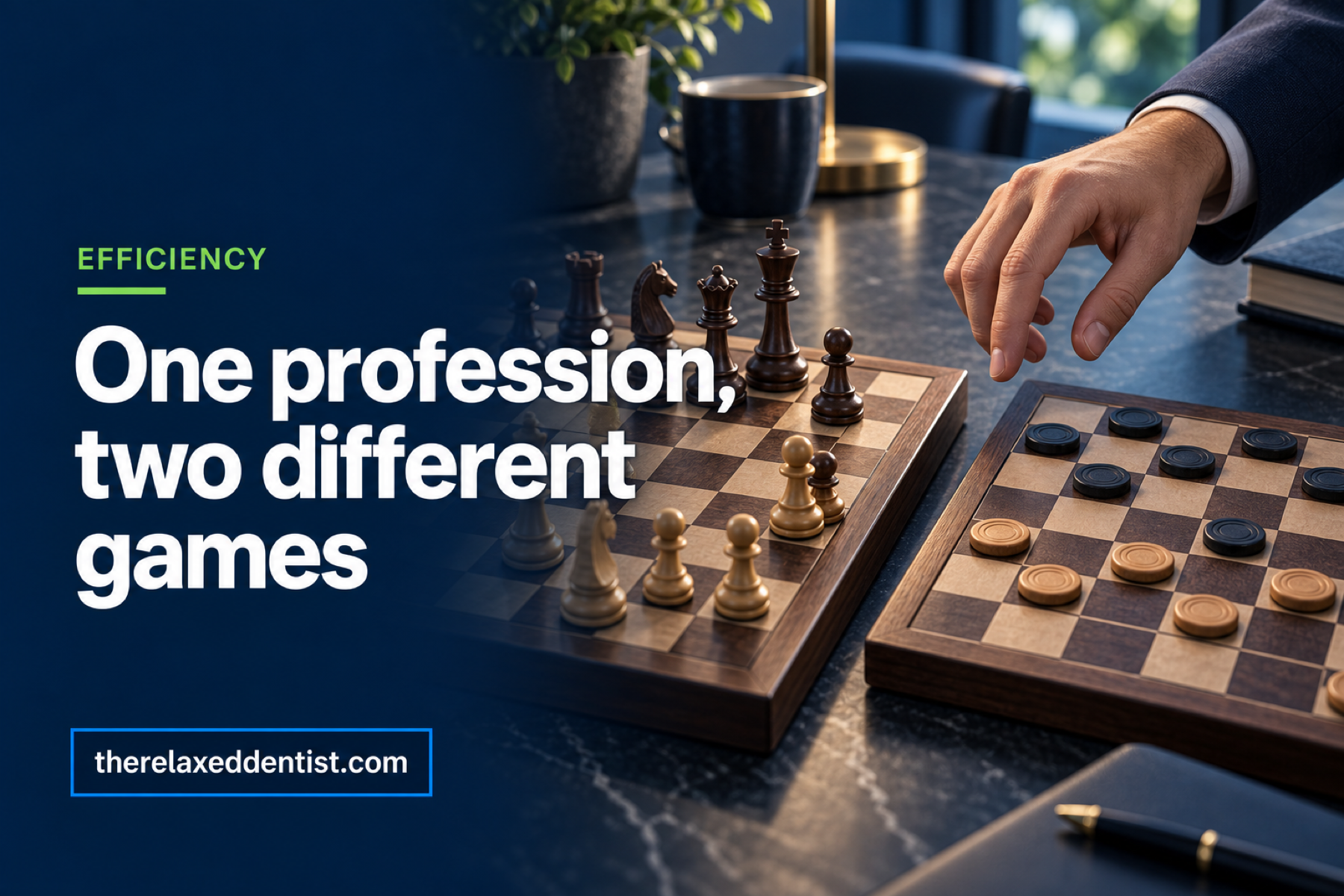
One profession, two different games
Working with the same nurse can make a dentist more efficient. So why would a practice choose to rotate nurses instead? I explore how corporate and owner-operated practices pursue different priorities.

The pushback trap
I tried high-pressure treatment presentations to improve case acceptance. Instead, patients started disappearing. That costly mistake taught me something every dentist should understand about pressure, resistance and trust.
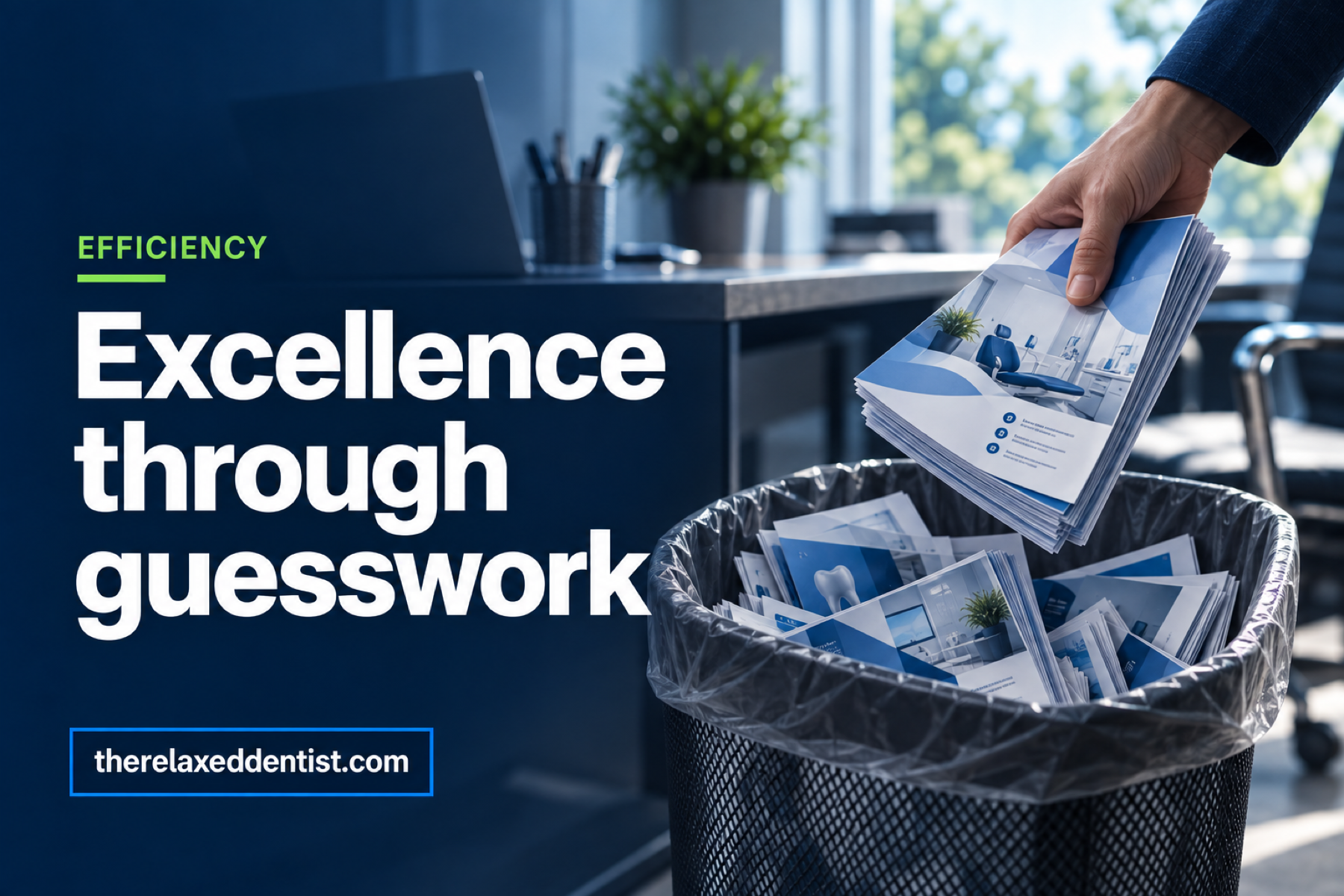
Excellence through guesswork
I spent more than $2,000 printing a marketing flyer that generated no response. It hurt, but it changed what I tried next. Dentists like getting things right, yet building a successful practice means being willing to get some business ideas wrong.
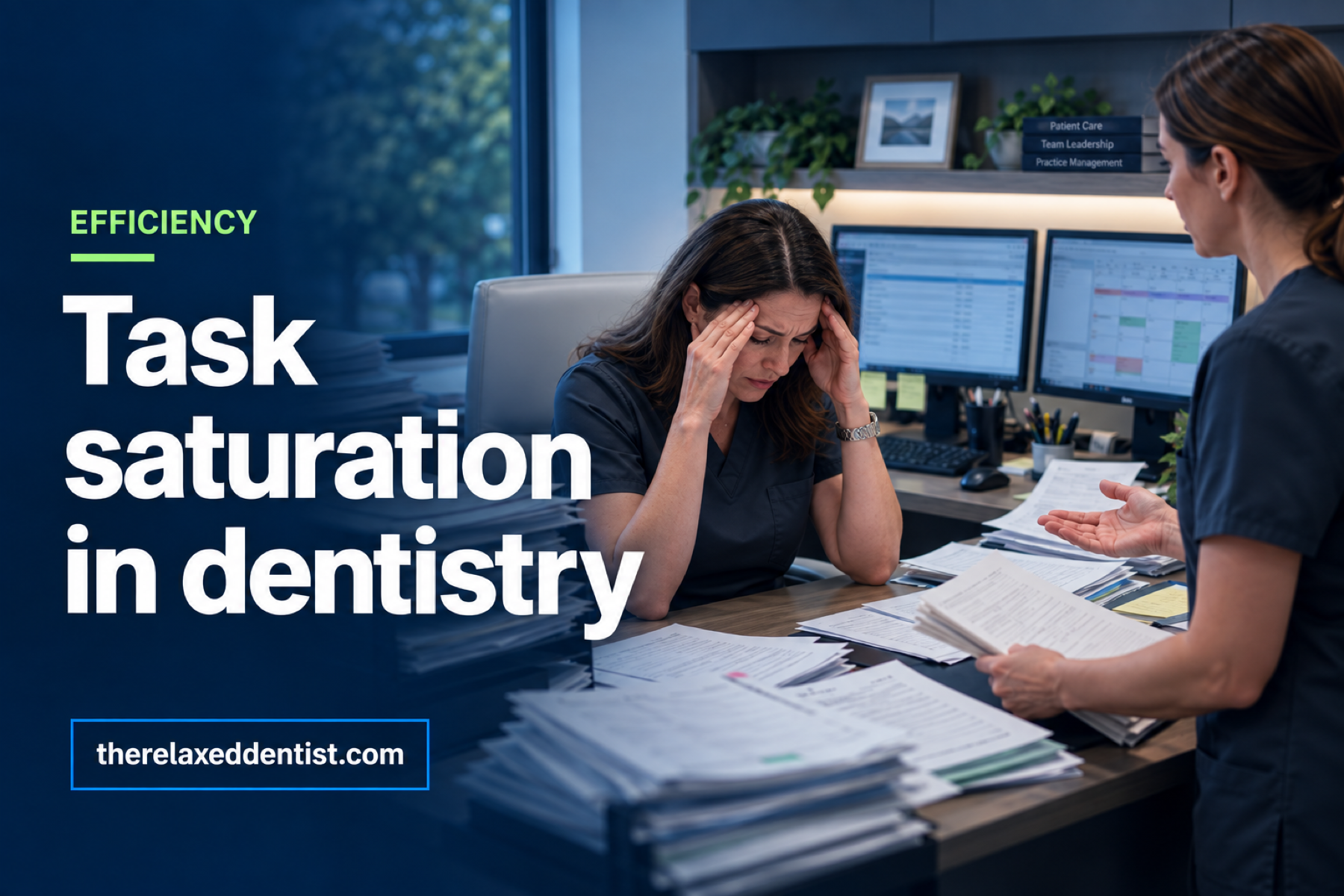
Task saturation in dentistry
Task saturation (being overwhelmed at work) impairs judgment and increases error. Here's how to recognise it and what to do when it hits.

First visit fail
An appointment running 25 minutes late. No explanation, no apology. My first visit to a new medical practice reminded me how easily we can damage a patient’s first impression before care even begins.
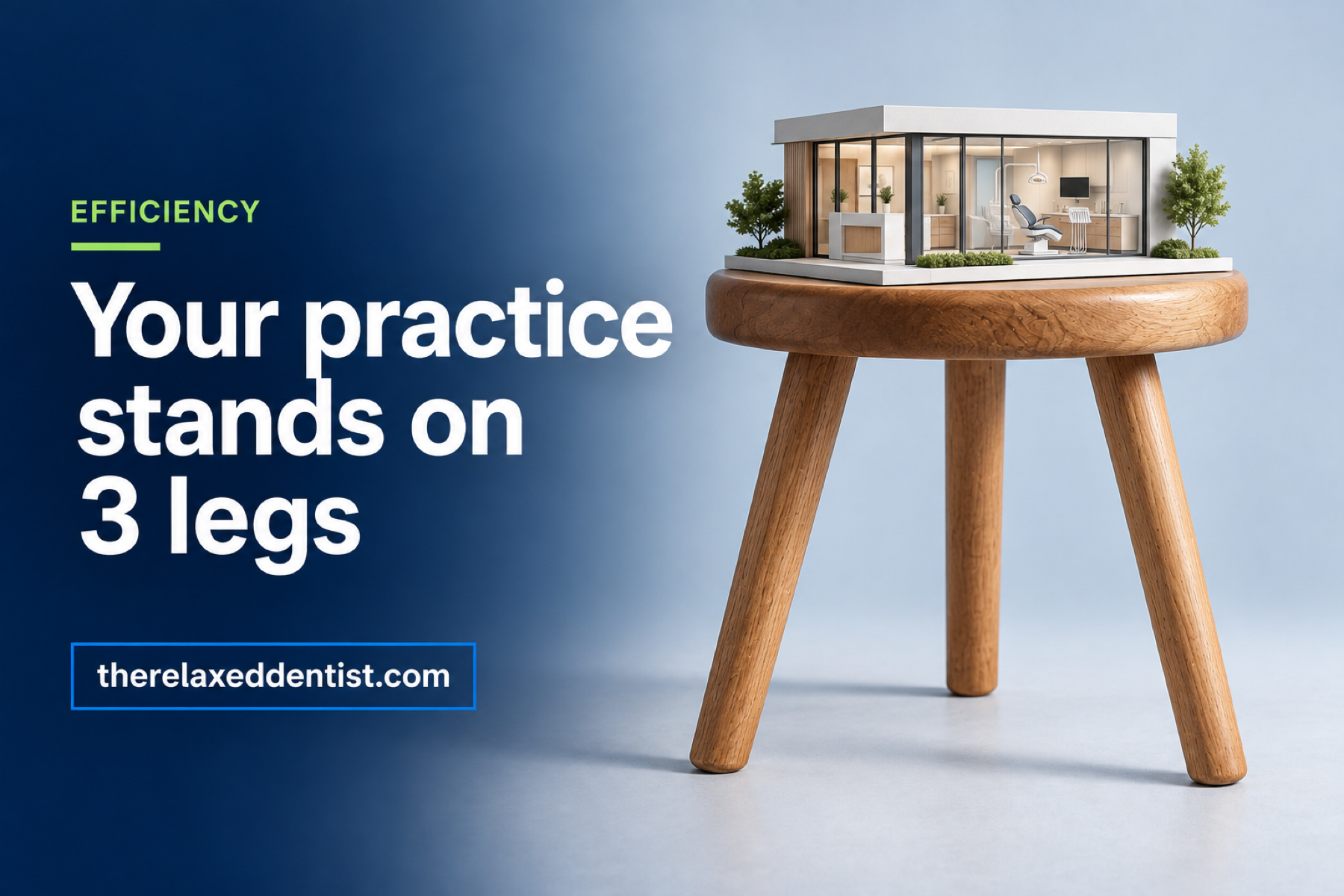
Your practice stands on 3 legs
Dental practices do three things: attract patients, gain their agreement on treatment, and deliver the care. Get all three right and your practice will thrive.

A right to know
Are you offering patients the best treatment, or only what you think they can afford? A retired schoolteacher with a battered car reminded me why those assumptions can be so misleading.
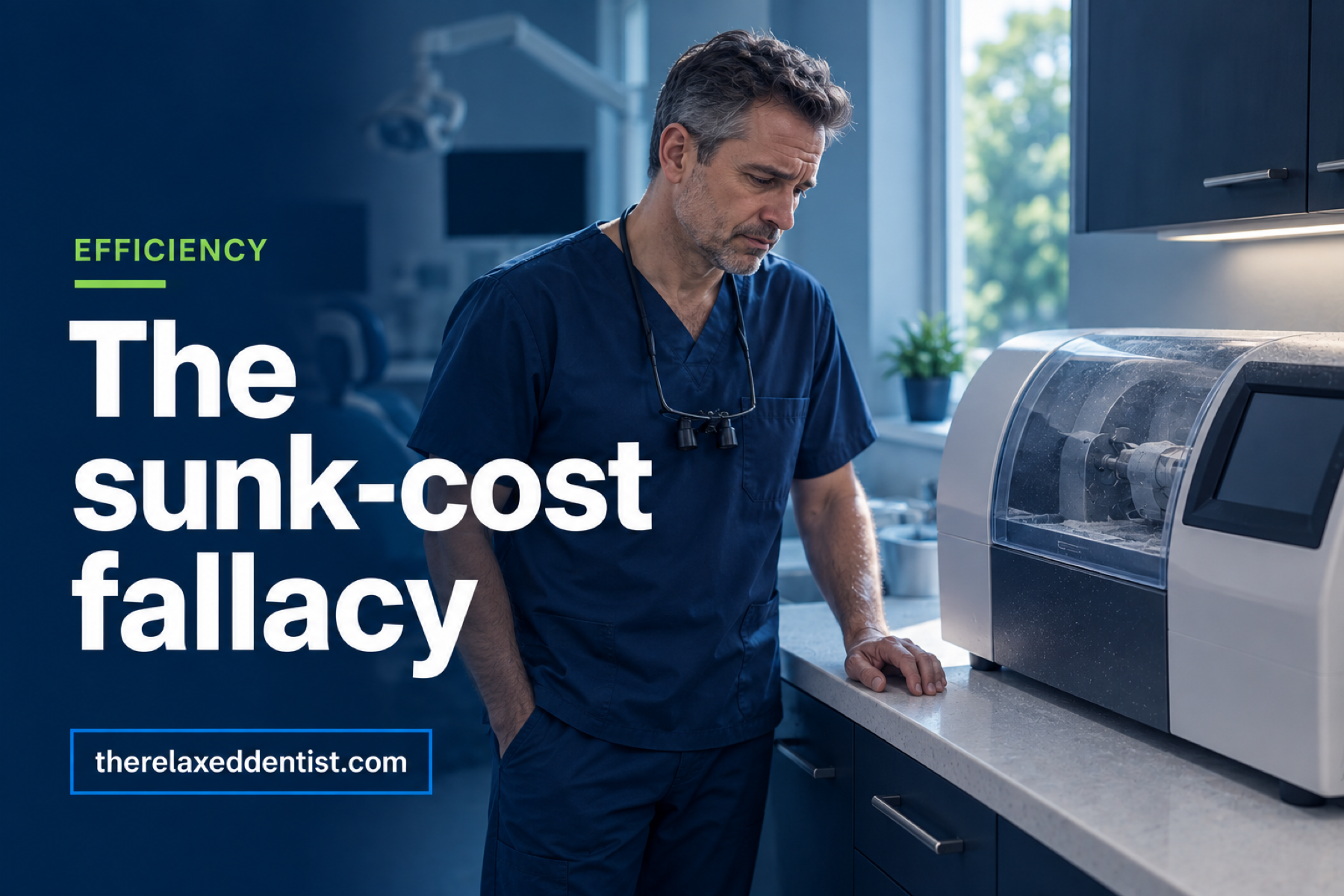
The sunk-cost fallacy
I kept using a $60,000 CAD/CAM machine long after I knew my lab delivered better results. The money was already gone, but I was still letting it dictate my decisions. Where is the sunk-cost fallacy costing you?
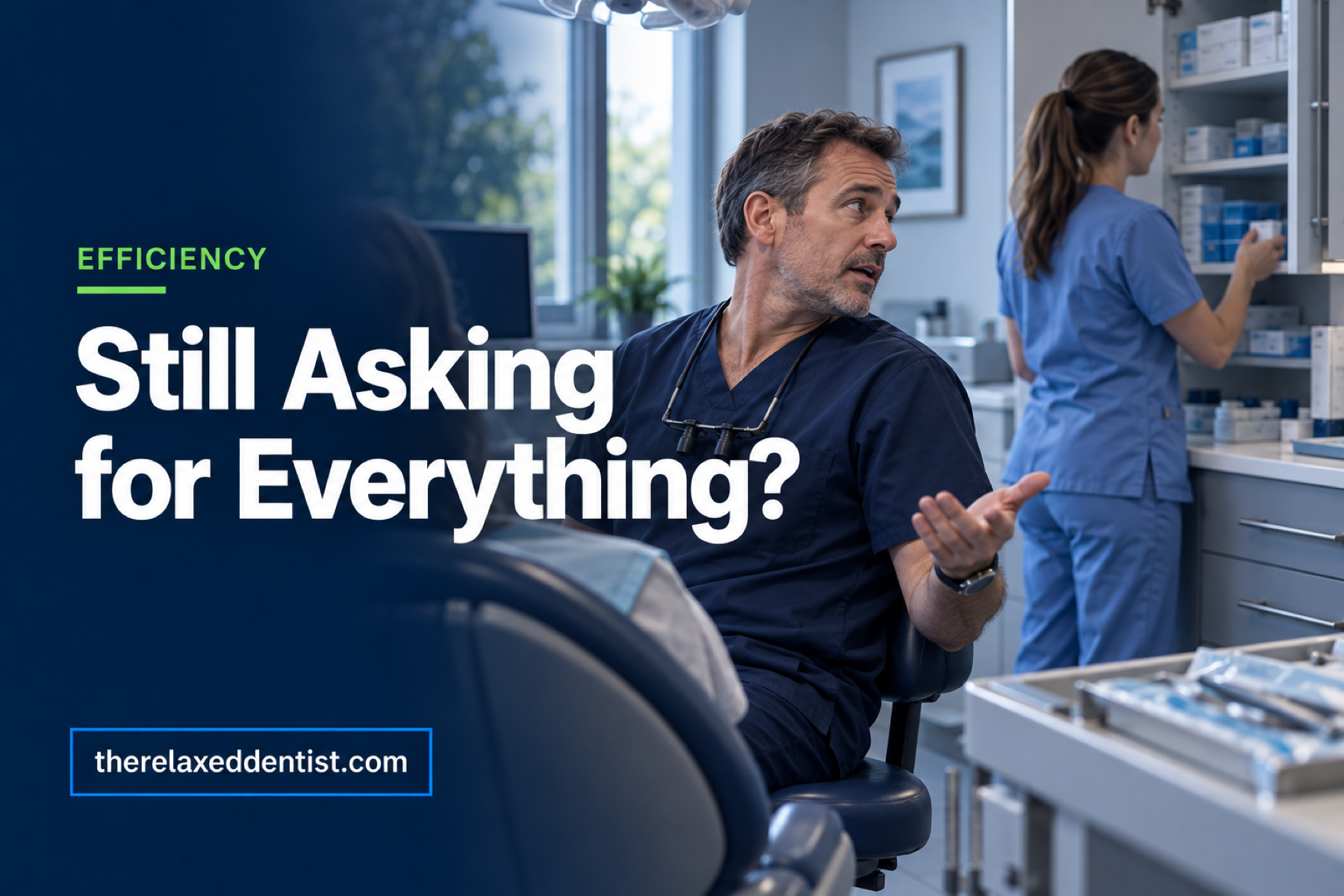
Still asking for everything?
How often do you need to tell your team what to do? I use this simple question to assess a practice’s systems. Constant requests and reminders can reveal why the working day feels harder than it should.

“That’s expensive!”
When a patient says “That’s expensive!”, it’s tempting to explain why your dentistry is worth the fee. I’ve found a much simpler response that makes the conversation easier for both of you.
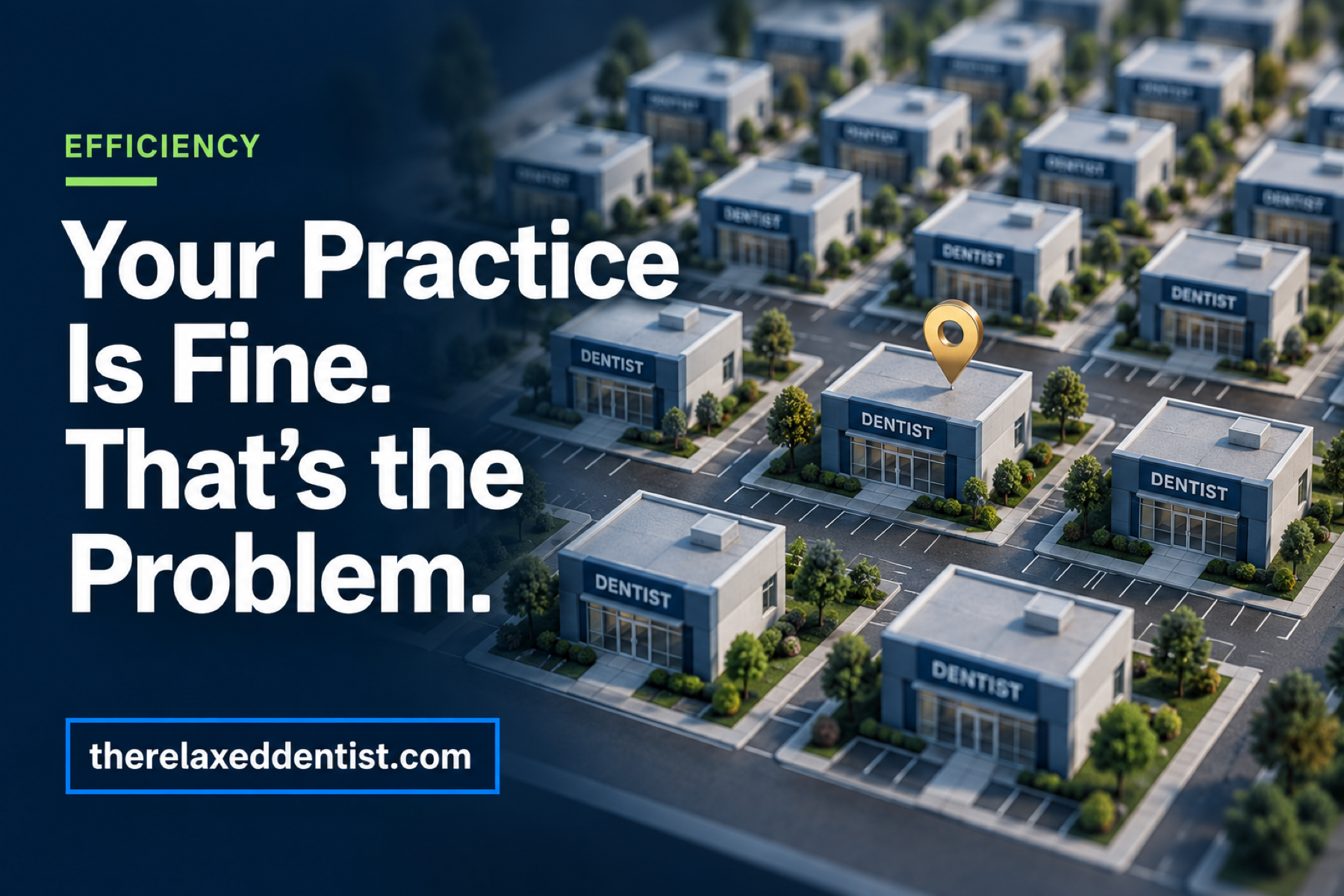
Your practice is fine. That’s the problem.
What can the collapse of a restaurant empire teach us about dentistry? Jamie Oliver’s experience offers a useful lesson for practices hoping to succeed by being like everyone else.
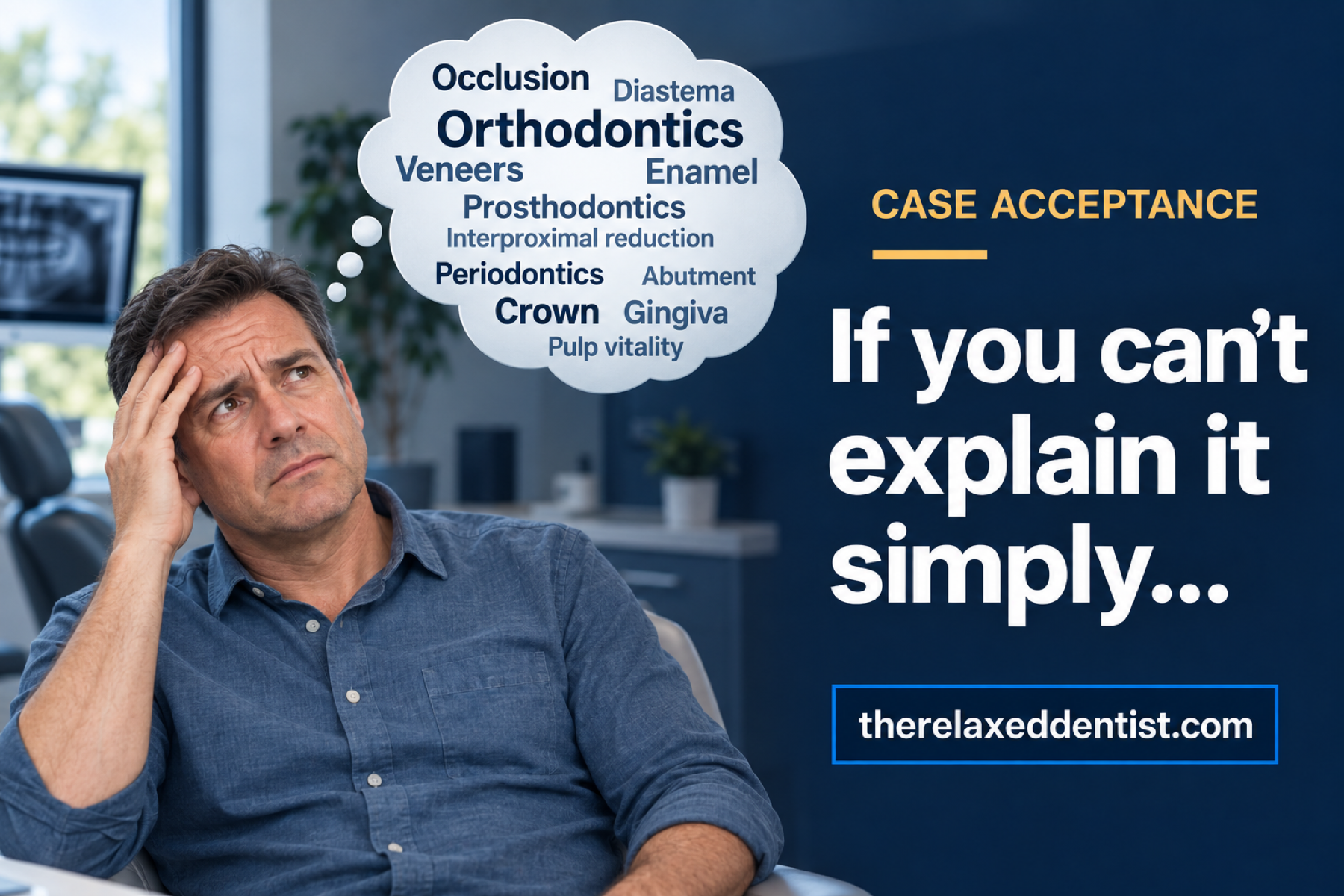
If you can’t explain it simply...
I recently watched a simple treatment discussion turn into a 45-minute consultation that left the patient confused. How much of what we explain actually helps patients decide?
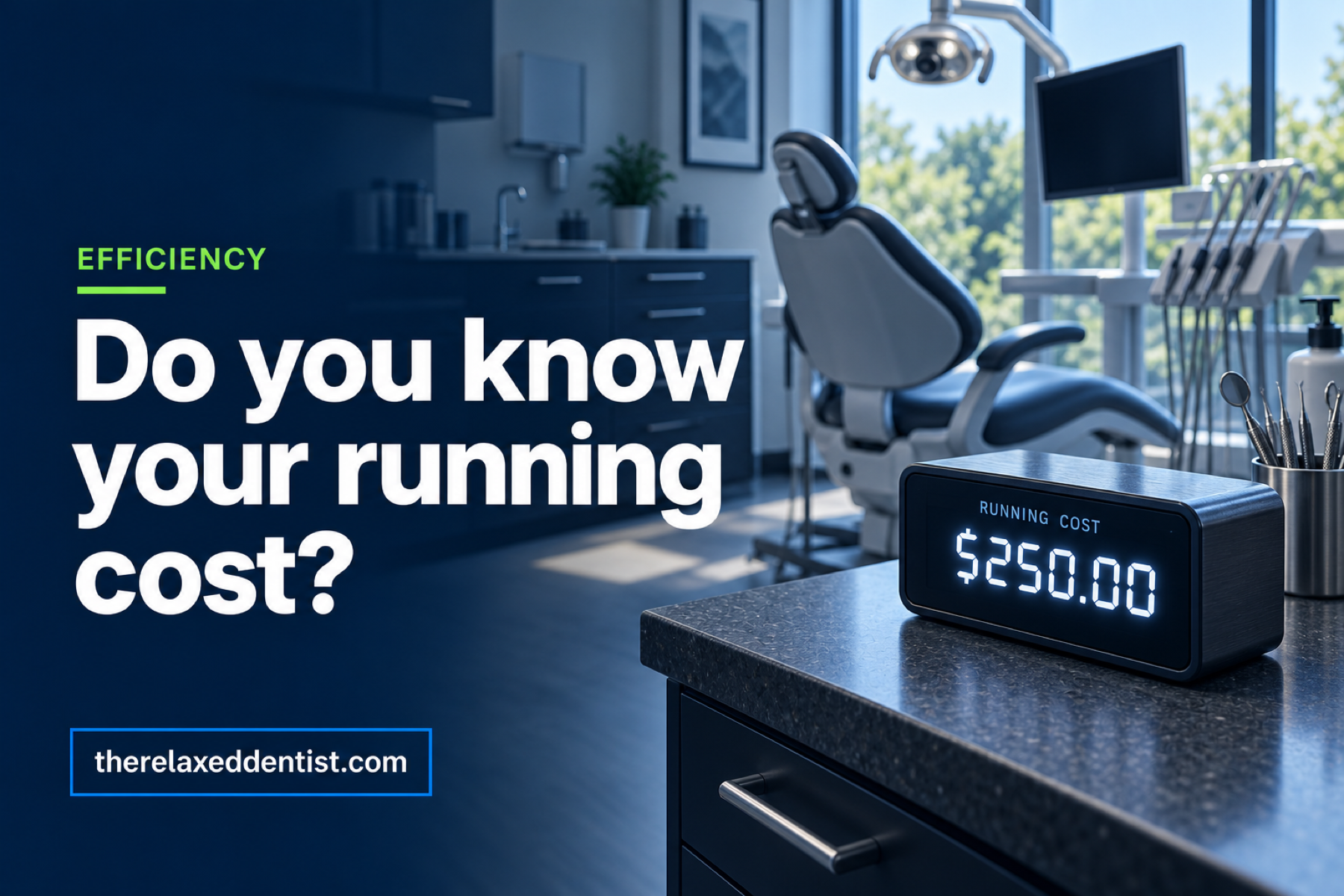
Your running cost
An empty half-hour appointment can cost you $250 before you pay yourself a cent. How to calculate your hourly running cost and why that figure changes how you see your working day.
Are you plain vanilla?
Flowers on the front desk won’t make your practice memorable. I explore how to give patients something to remember. Are you different, or are you plain vanilla?
Becoming more efficient
Does a 30-minute crown preparation mean compromising quality? Here’s how small, measured improvements can turn what seems impossible into everyday practice.
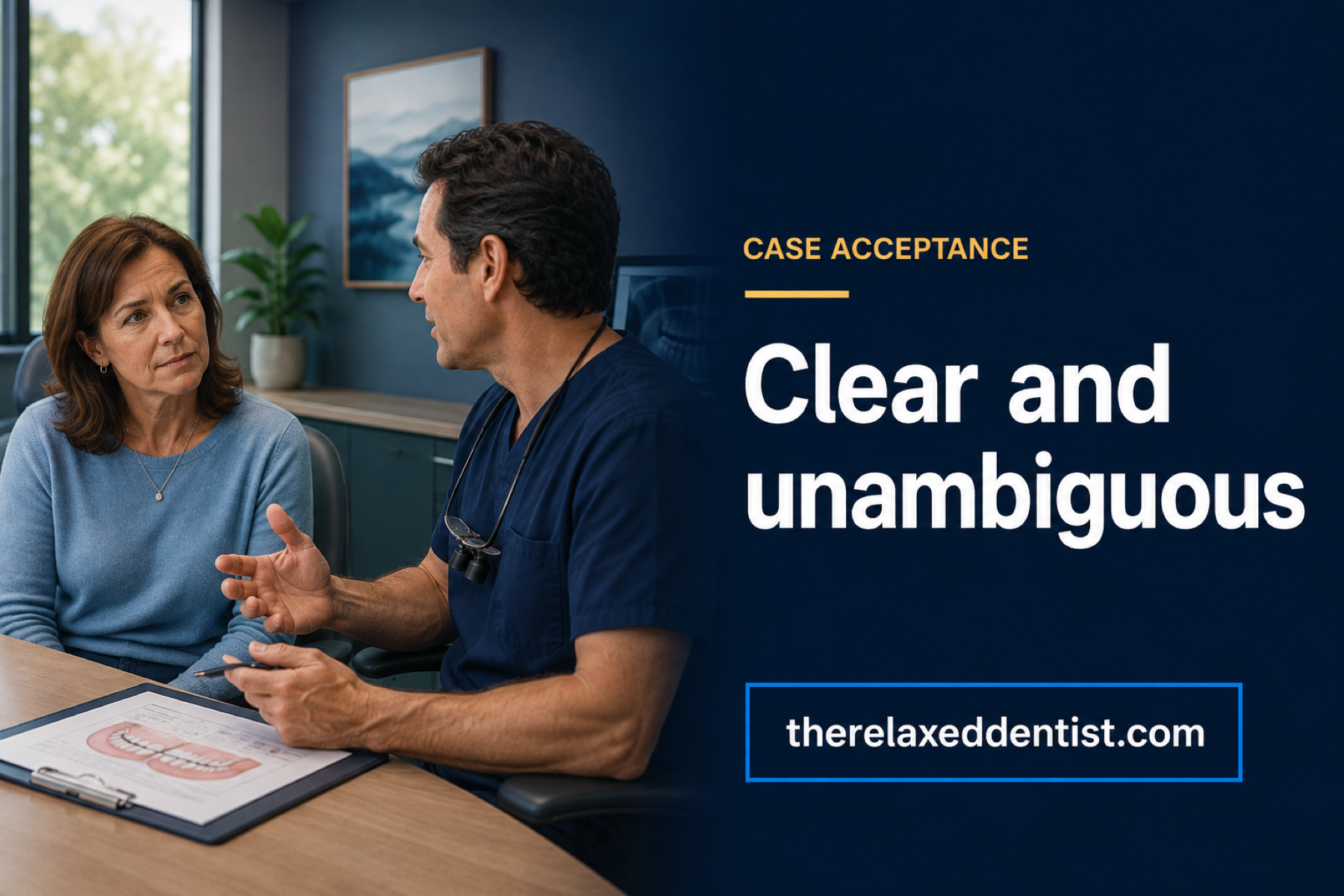
Clear and unambiguous
Vague advice feels kinder but leads to worse outcomes and can confuse patients. Patients need clear, direct guidance and they trust dentists more for giving it.