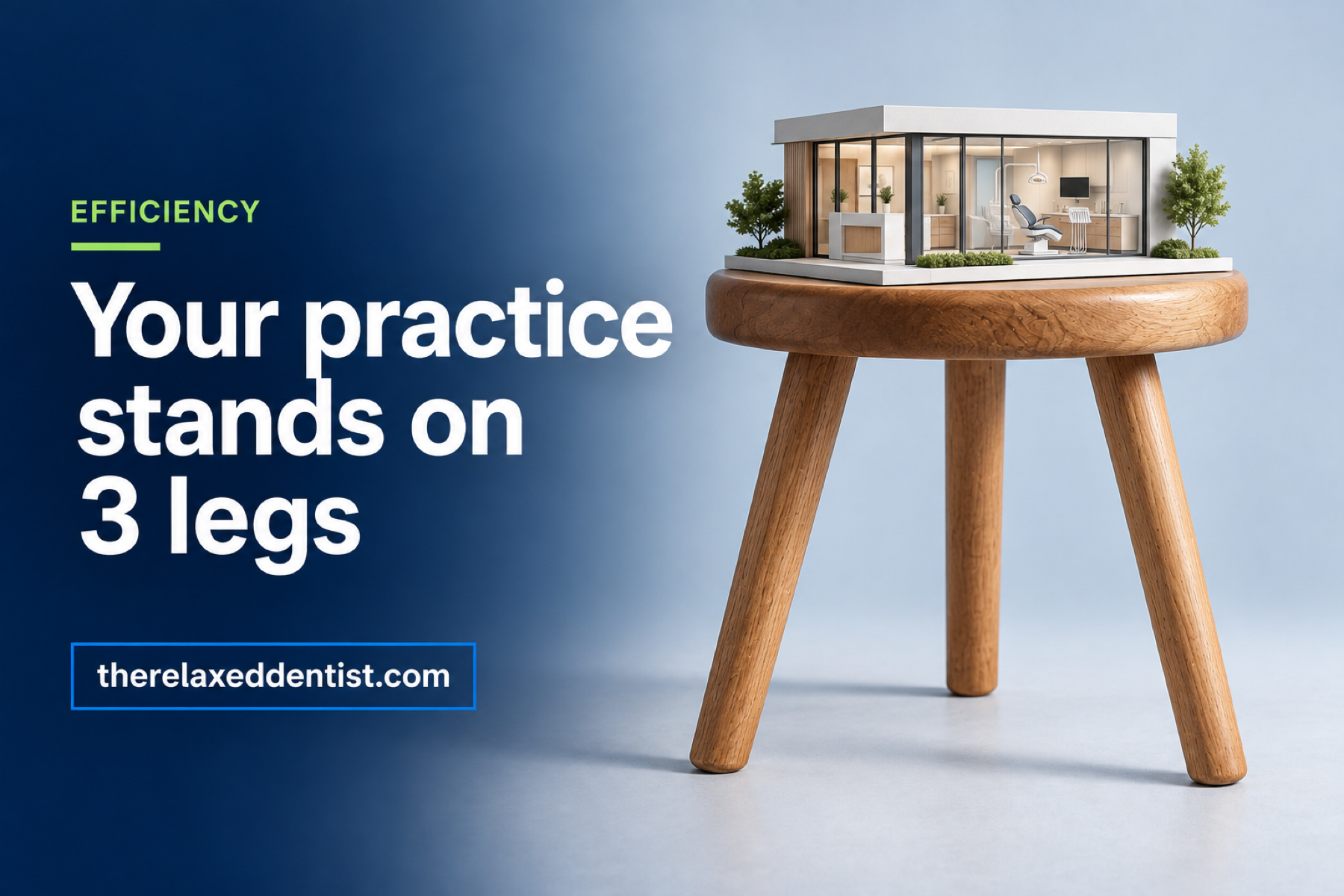
Your practice stands on 3 legs
I’m going to give you a new lens to look at your practice through.
Any practice whether it’s a basic practice or the ultimate high-end practice does just three things. You can visualise dental practices as a three-legged stool. Here are the three legs.
Marketing
First, you need to attract patients. In business language that’s called marketing. Marketing covers a wide range of activities all the way from simply being nice to patients to elaborate Facebook, Instagram and SEO schemes. Marketing takes in things such as your fee level, your external advertising and your recall system. Marketing delivers the lifeblood of your practice because without patients your clinic will go out of business.
Many dental practice don’t have a marketing plan. It’s hit and miss and often runs like this.
The dentist looks at the appointment book and notices gaps. They panic. They tell the receptionist to put an ad on Facebook. The dentist also starts being extra nice to patients. In a month or two the appointment book looks normal again and all is forgotten. Until next time when the cycle repeats.
A proper marketing plan is thought out carefully and planned in advance. It is consistent and purposeful. It has goals, measures results and based on those results it evolves. It is innovative and looks for opportunities. It differentiates the practice. When every one else zigs, it zags.
Case acceptance
Second, you need to get agreement from patients about the treatment to be done. This is case acceptance. As with marketing case acceptance covers a wide range. The basic level is “Here’s a hole. Let’s fill it” all the way up to developing comprehensive treatment plans for patients where they make choices from among various treatment options.
With respect to case acceptance so many practices follow a version of benign paternalism.
“I’m a doctor. You have a problem. Here’s what we do to fix it.”
This model is not only well past its use-by date but also not really fair on the patient. It denies the patient the opportunity of being an active decision maker in their health. A proper case acceptance system lets the patient know their situation in terms that they understand. It then gives them choices between treatment options being aware of the advantages, disadvantages and cost of each.
Proper case acceptance turns passive patients into active decision makers in their dental care. Proper case acceptance also uncovers hidden demand: Treatment that patients would have if only they knew about it.
Efficiency
Third, the practice must deliver the dental care efficiently. At the low end of the efficiency scale you have one dentist with one DA (who doubles as receptionist) working out of one surgery. At the other end of the scale you have a dentist working out of two or more ergonomically-efficient operatories with two or three dedicated DAs and complete front desk support.
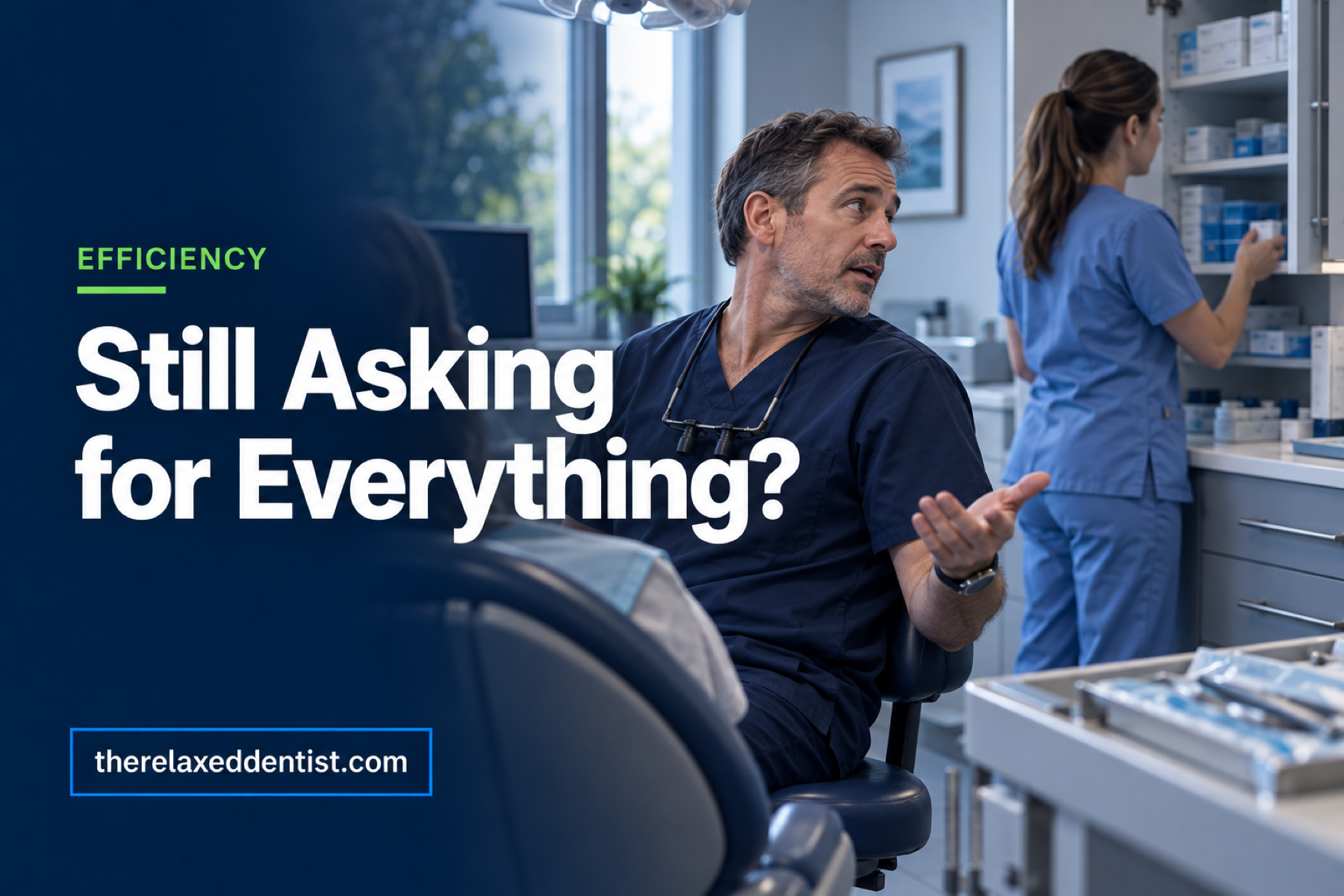
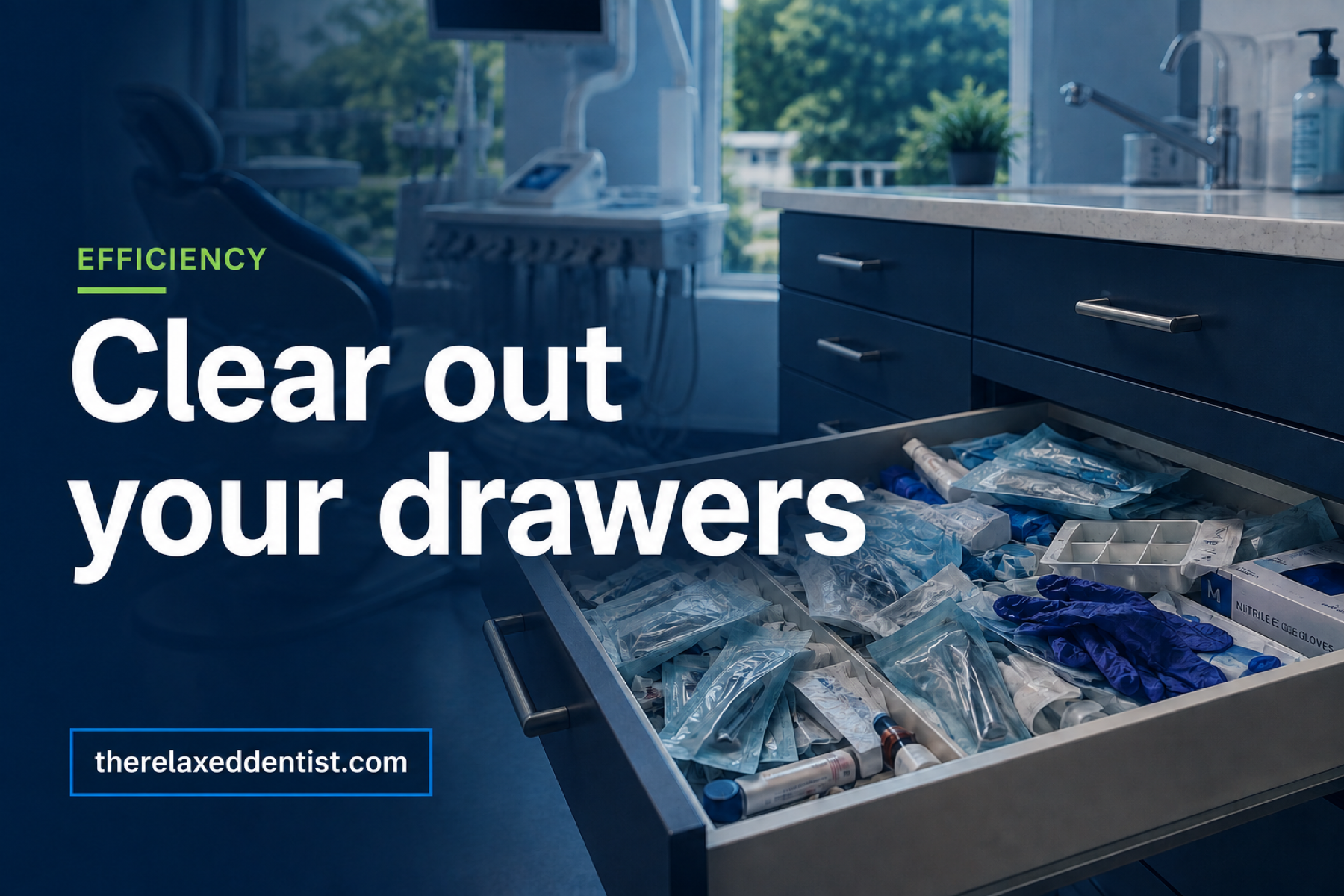
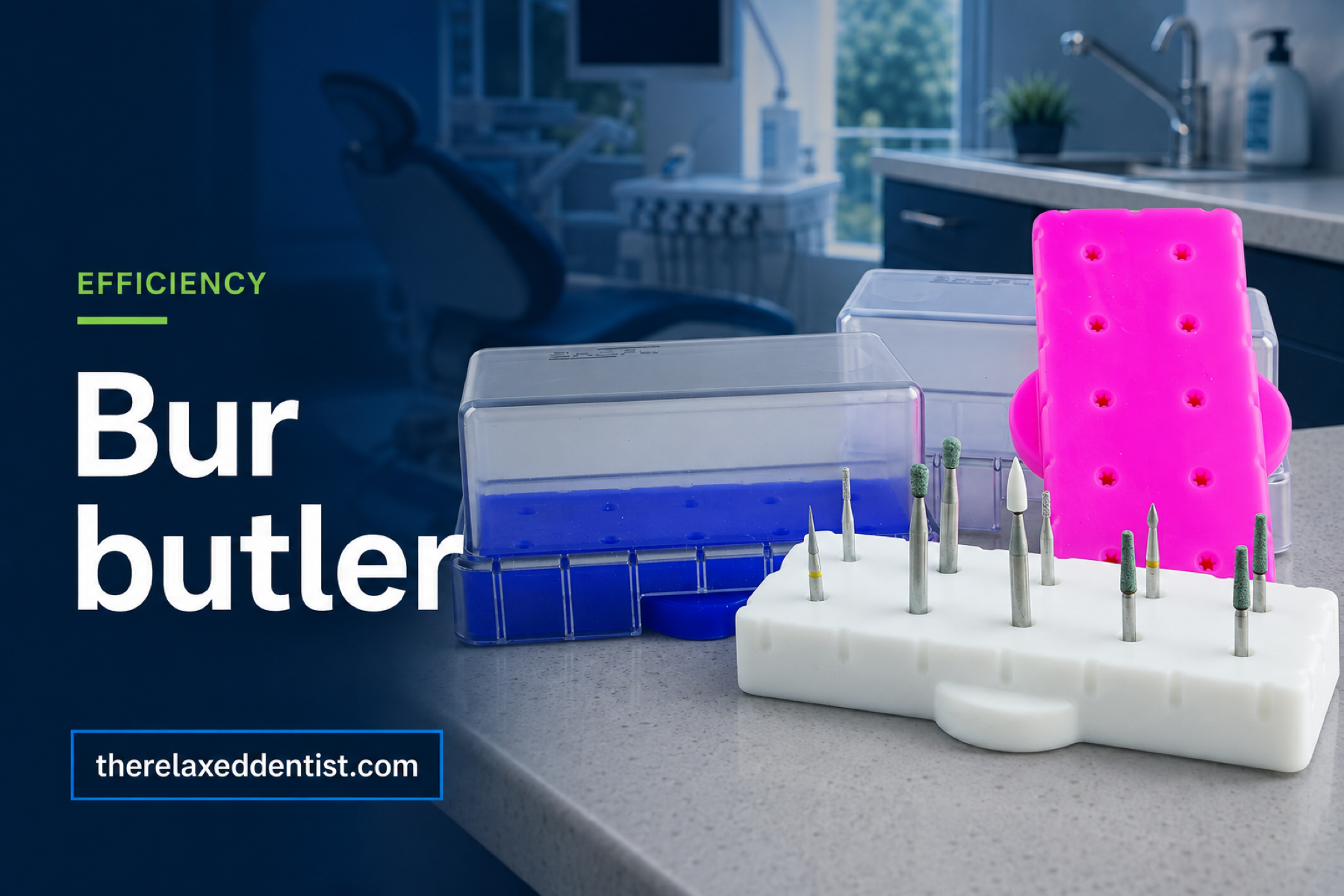
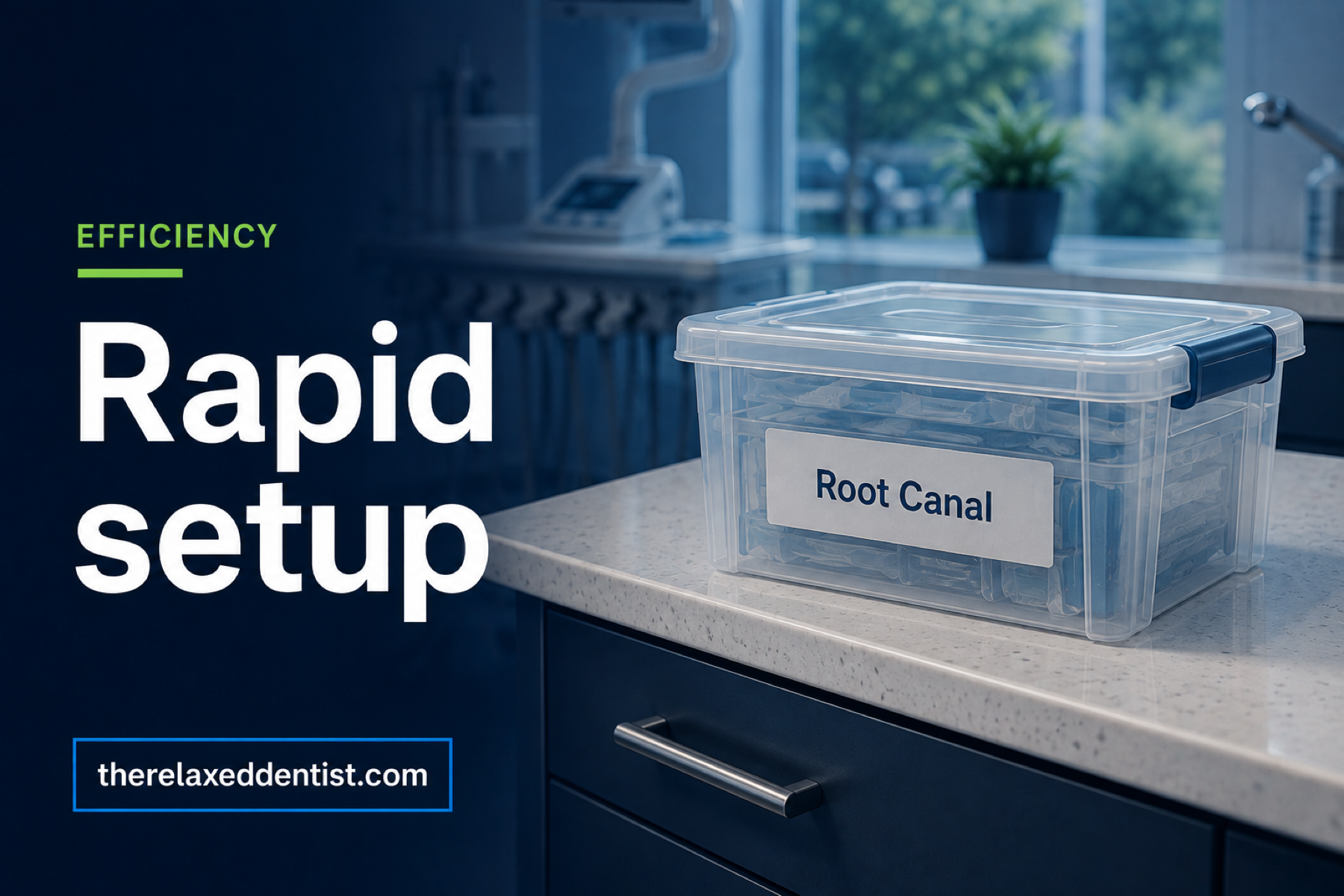
In a poorly set up practice it can be totally exhausting for the dentist to produce even a modest daily output. The experience is like trying to run through quick sand although, if you have been doing that for your entire career, you may not realise that better is possible. Every set-up and procedure takes far longer than it should. Ergonomics is poor so that the dentist must constantly stop work and look away to find things.
A properly staffed, properly equipped, ergonomically correct practice is a delight by comparison. Even though the dentist may produce three or four times more work per hour it’s actually easier for them. This is because the focus is never broken and the dentists delegates everything that is legally possible giving them the ability to just concentrate on doing dentistry.
How does your practice stack up?
Look at your marketing, look at your case acceptance and look at your work flows.
If you want your practice to advance, find the weak link and fix it. Your practice will jump forward. Then find the next weak link and fix that. Keep doing this over and over and your practice will keep improving regardless of how the economy is travelling or the number of dentists in your area.
A dental practice really is like a three‑legged stool: marketing, case acceptance, and clinical delivery. When one leg is weak, the whole thing wobbles. Strengthen all three and the stool becomes stable.













Task saturation (being overwhelmed at work) impairs judgment and increases error. Here's how to recognise it and what to do when it hits.