Discounting will eat your lunch
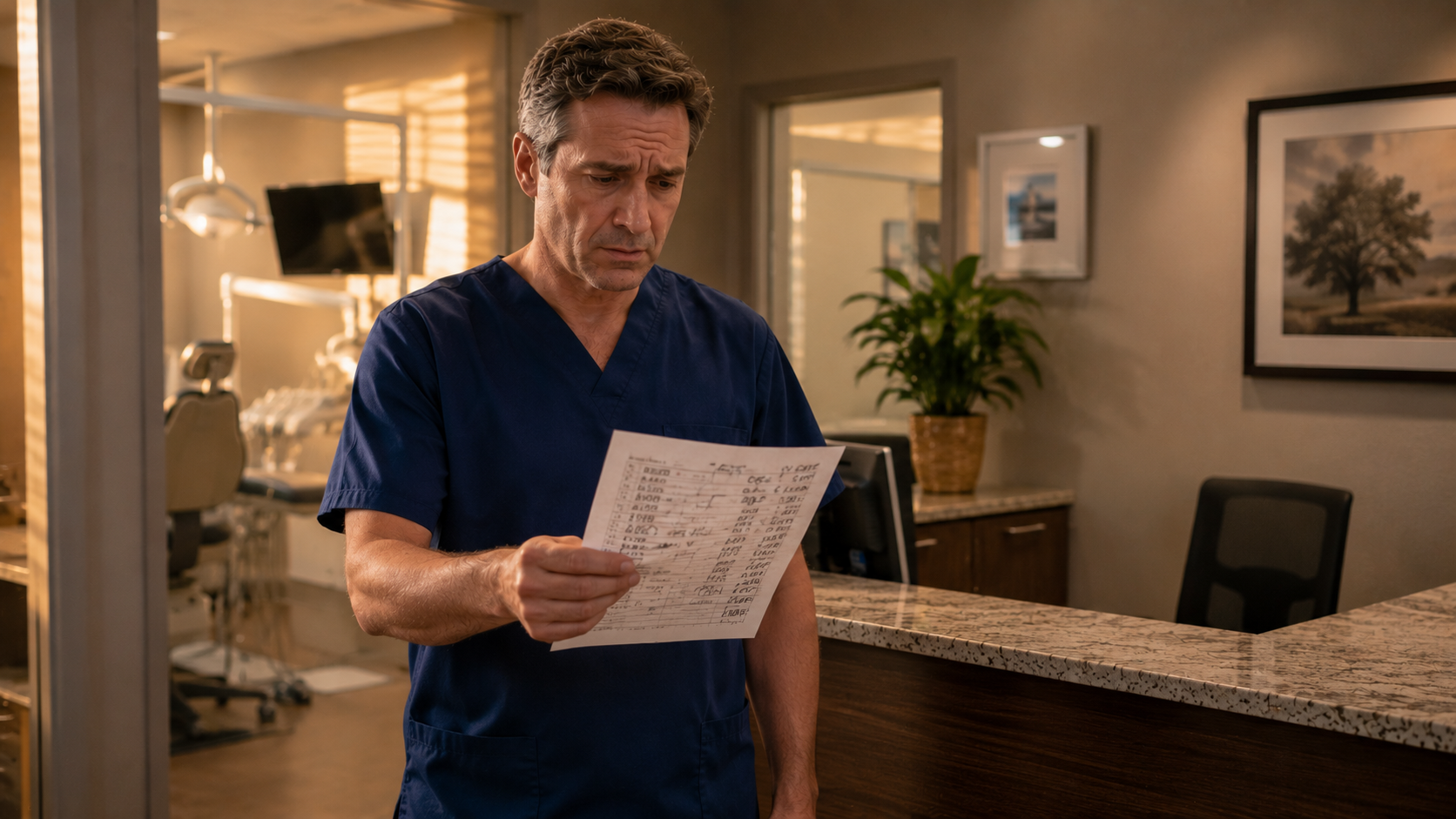
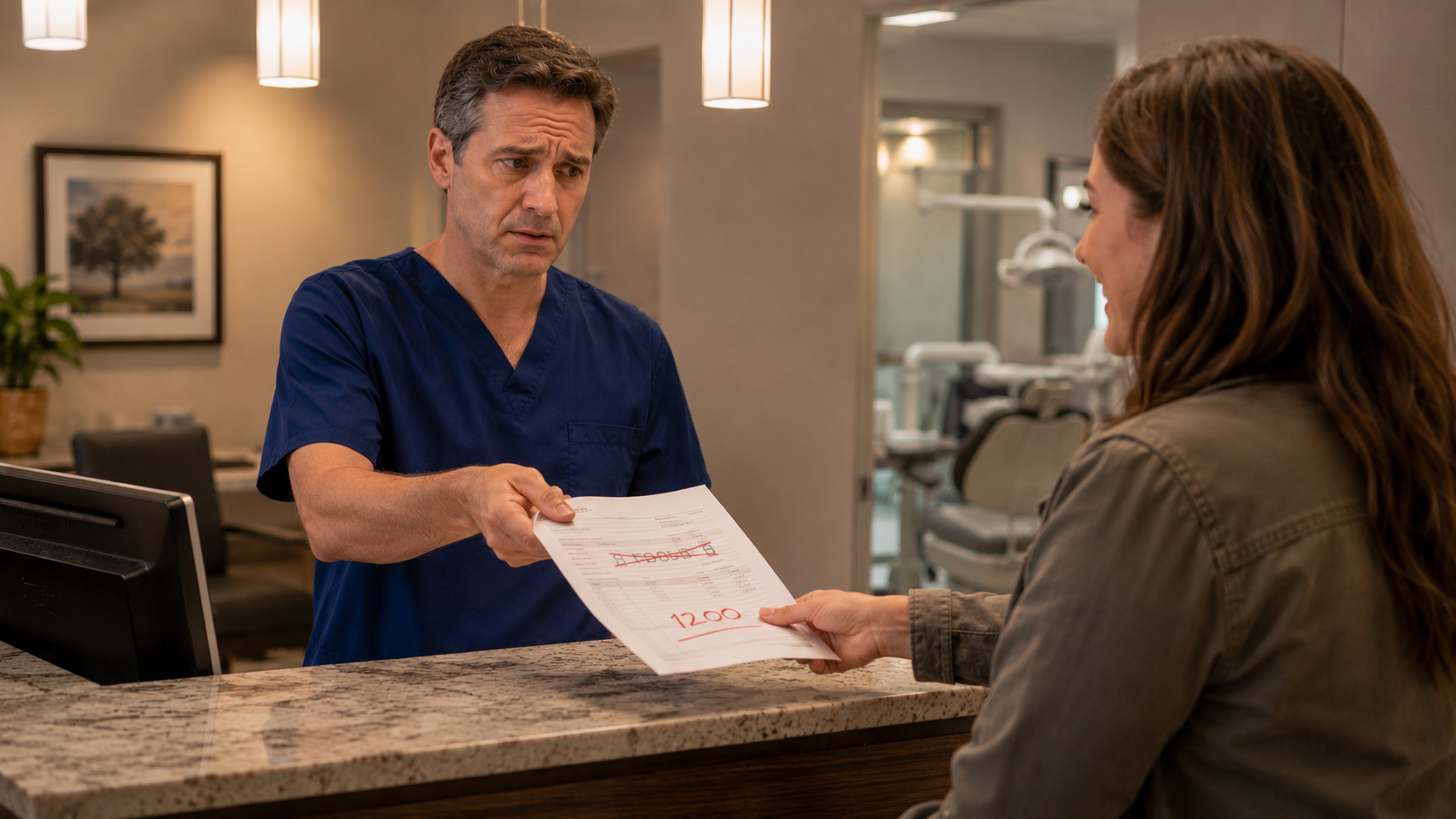
Early in my career, when a patient would ask me for a discount I’d give in. I was a pushover.
Then I began to think about what discounting cost me. In the end I decided that the fee is the fee. No discounts. No ifs buts or maybes. Here’s why.
First, the mathematics of discounting are brutal.
If you run at a 70% overhead (which not every practice can achieve nowadays) and you discount your fee by 10%, you haven’t lost 10% of your profit. You’ve lost 33%.
The discount comes entirely out of your margin. Your lab bills don’t go down. Your staff don’t work for less. The consumables cost the same. You simply absorb the difference yourself.
If you do that across a clinical day and you’ve worked two and a half hours for free.
Second, what it signals to the patient about your work.
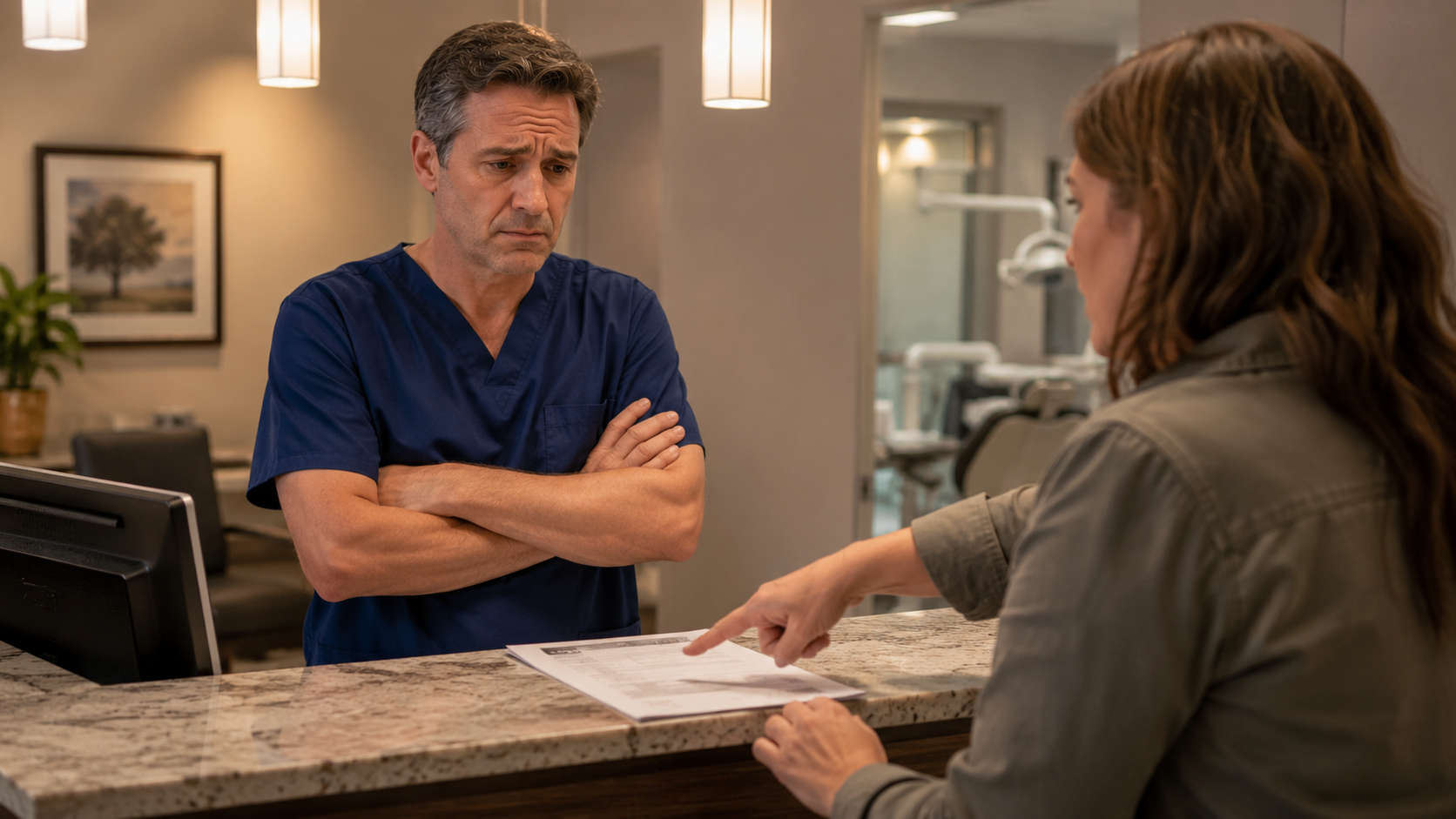
When a patient asks for a discount and you give it to them, you haven’t necessarily won them over. You’ve often made them aggressive and suspicious. They wonder, were you overcharging in the first place? They will examine every bill you give them from then on, line by line.
Your fee is a signal. It tells the patient something about the quality of what they’re receiving. Drop it on request and you’re undermining their confidence in you.
Third, the type of patients who ask for discounts.
In my experience, patients who ask for discounts are not good patients. They’re the demanding ones who are and quick to complain. They will examine your work with a magnifying glass and harp on about anything they don’t like.
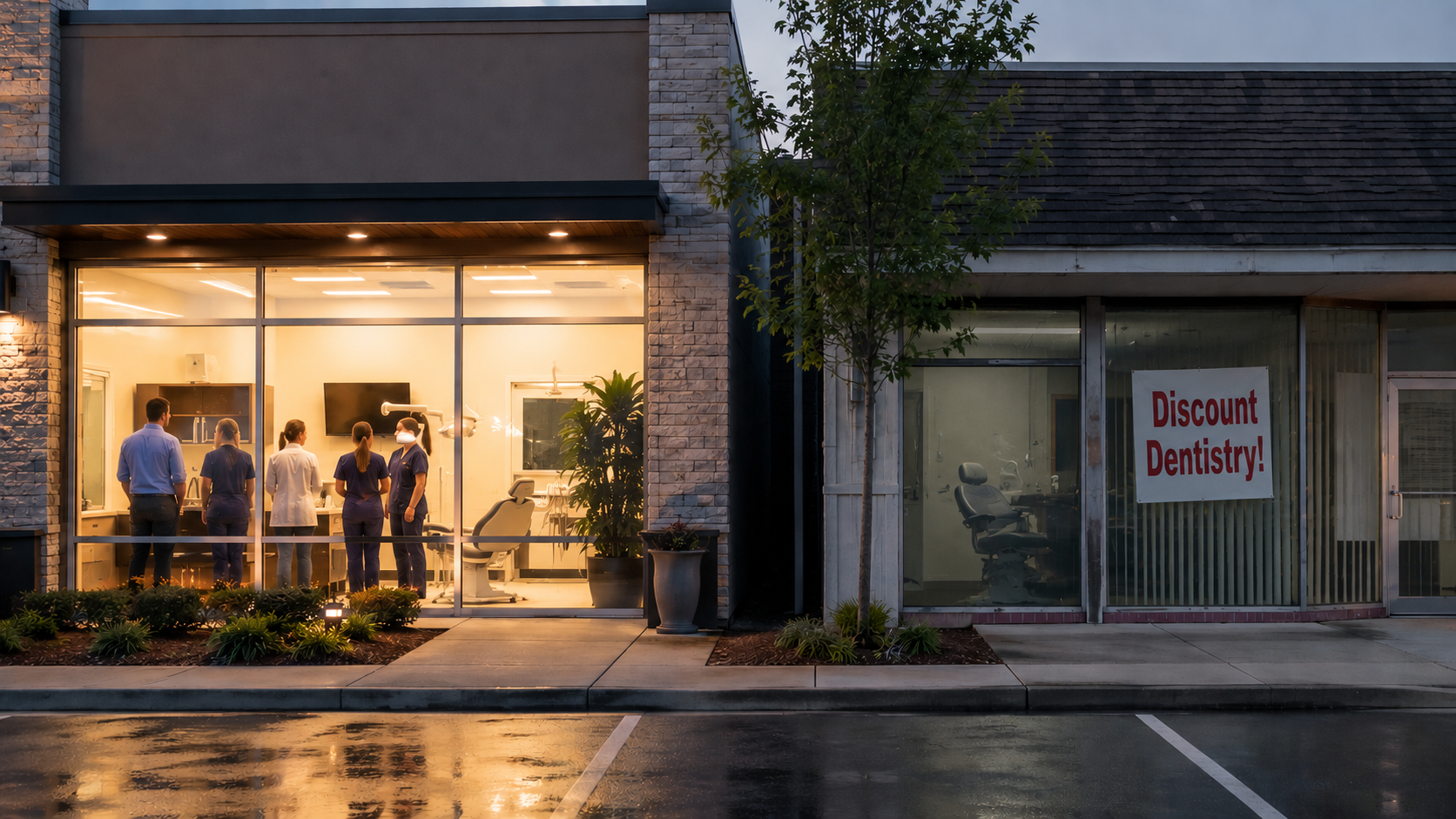
You discounted your fee to get them to accept treatment. You spend the next three months and two redos wishing you hadn’t. Also, they’re not loyal. The moment they can get treatment cheaper elsewhere they will be gone out of your practice.
Fourth, the disrespect it shows your good patients.
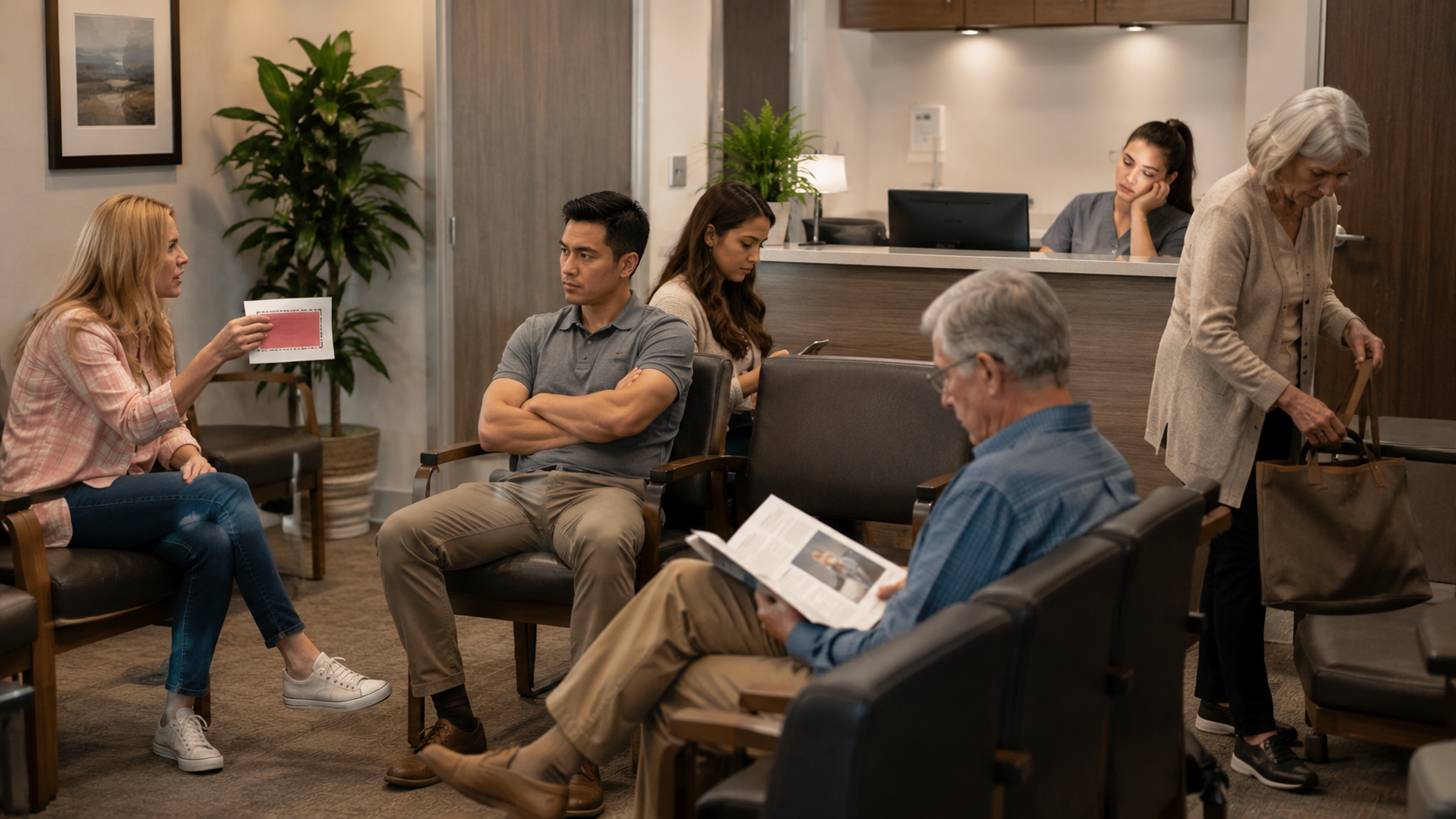
This is the one that bothers me most. You have patients who’ve been coming to you for years, who pay on time, who follow your recommendations and who refer their family and friends without being asked. They never question your fee. They’re your star patients.
When you discount, you are charging them more than you charge your most difficult patients. That’s not a business model. That’s disrespect for your good patients.
You invested years training. You invested in good equipment, good materials and good staff.
Cutting your fee is not a gesture of goodwill. It’s an apology for your own worth. And once you start apologising, it’s a hard habit to break. You will not feel good about the work you do for a discount, no matter how well it turns out.
If your fees are fair charge them. If they are not fair, change them.
Whatever you do, don’t discount them.
If you’d like to improve case acceptance or work more efficiently or both, I have online courses and also offer in-office seminars. Follow these links to find out more: Case Acceptance | Efficiency.




I once doubled a fee hoping to lose every case that came with it and started winning almost all of them. Here's what that taught me about pricing.