My dentistry got better. My practice didn’t.
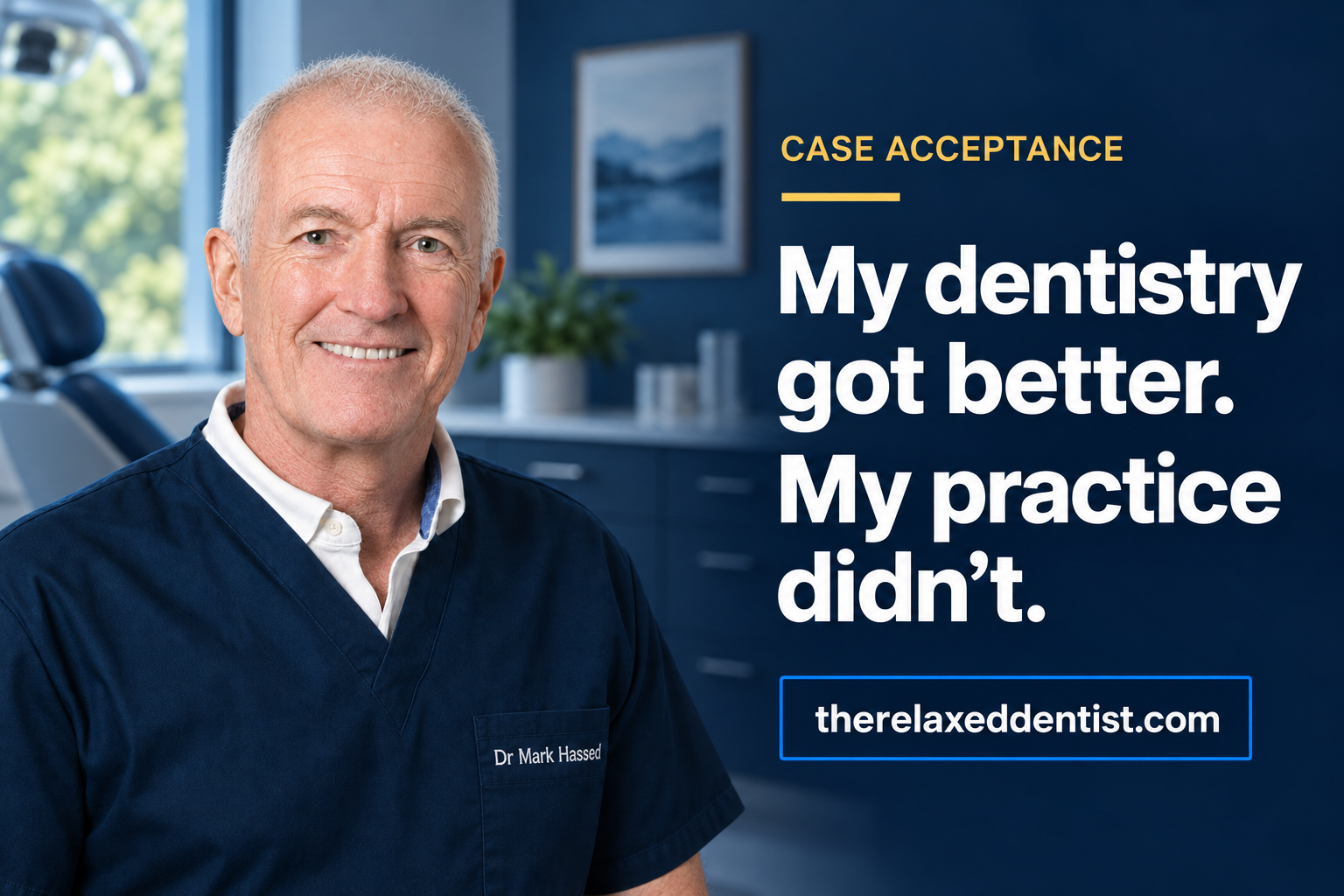
When I first got out of dental school, I thought I knew how to build a successful practice: do excellent work and the rest would take care of itself.
So I threw myself into continuing education. I did an absurd amount of CPD. My technical skills improved, and I could offer patients more sophisticated treatment. I was becoming the dentist I’d set out to be.
There was just one problem. My practice wasn’t improving.
I knew how to do wonderful things for patients, but too many consultations ended with “No” or “I’ll think about it”. My schedule was full of basic dentistry, and I rarely got the opportunity to do my best work. It was frustrating to invest so much in learning and then have so little opportunity to use it
Eventually, I began to question the assumption that being technically excellent would make me successful. What if the missing skill was something else? I’d spent years learning how to carry out treatment. How much effort had I put into learning how to talk with patients about it?
In 1986, more out of desperation than conviction, I took a weekend communication course. The following Monday, something had changed. Patients started saying “yes”.
That caught my attention. My clinical skills hadn’t suddenly improved over the weekend. I hadn’t learnt a new restorative technique. Yet my treatment discussions were producing different results. For the first time, I could see how much the way I communicated affected whether I ever got to use the skills I had worked so hard to develop.
One weekend was the beginning. I took more communication courses, then more again. Over the next 18 months, my practice doubled, then doubled again.
Those results were extraordinary, but the discovery behind them has stayed with me longer: communication deserved the same deliberate study and practice I had always given clinical dentistry.
It is easy to assume that because we talk to patients all day, we must be good at it. I hadn’t appreciated how much there was to learn. Explaining treatment, understanding what matters to a patient, discussing fees and helping someone reach a decision are skills. They deserve our attention.
I still value all that technical education. It gave me the ability to help patients. Learning to communicate gave me more opportunities to put that ability to work.
If you are doing course after course but still hearing “I’ll think about it”, it may be worth asking the question that changed my direction: how much have I invested in building my communication skills?
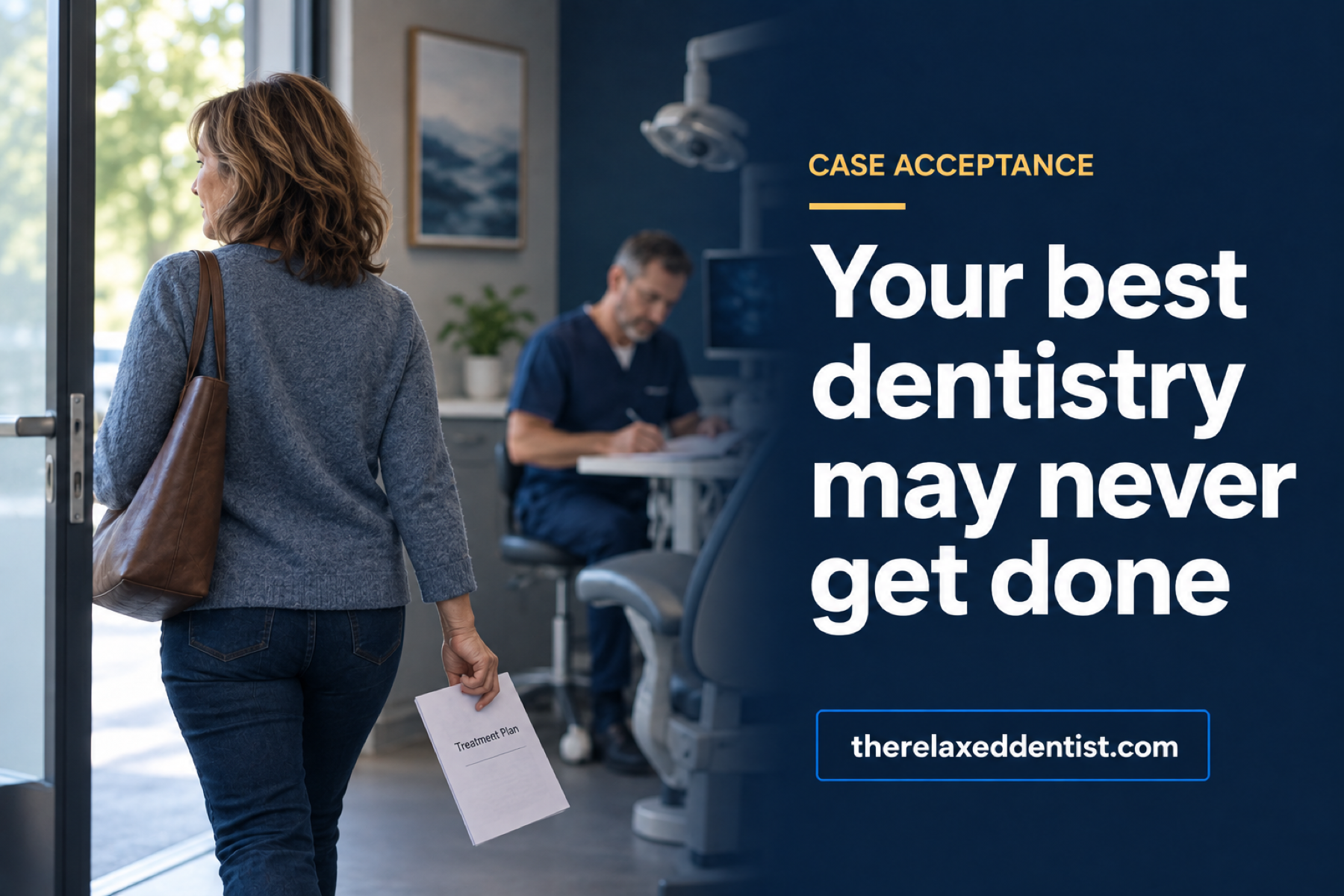
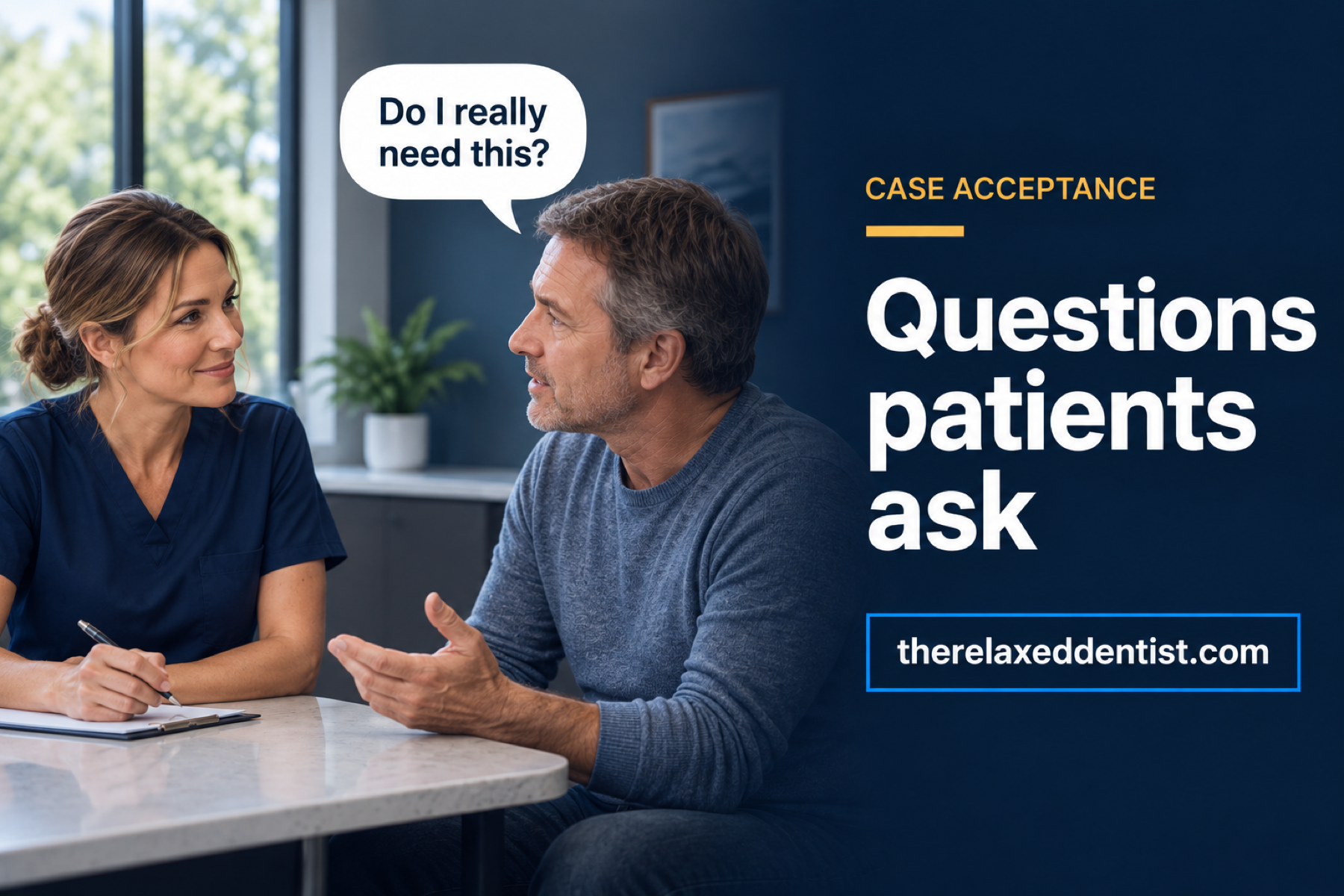
When a patient declines treatment, pushing harder or stripping the plan back are both wrong. Here’s what actually works and why it starts with letting go.