Stop minimising
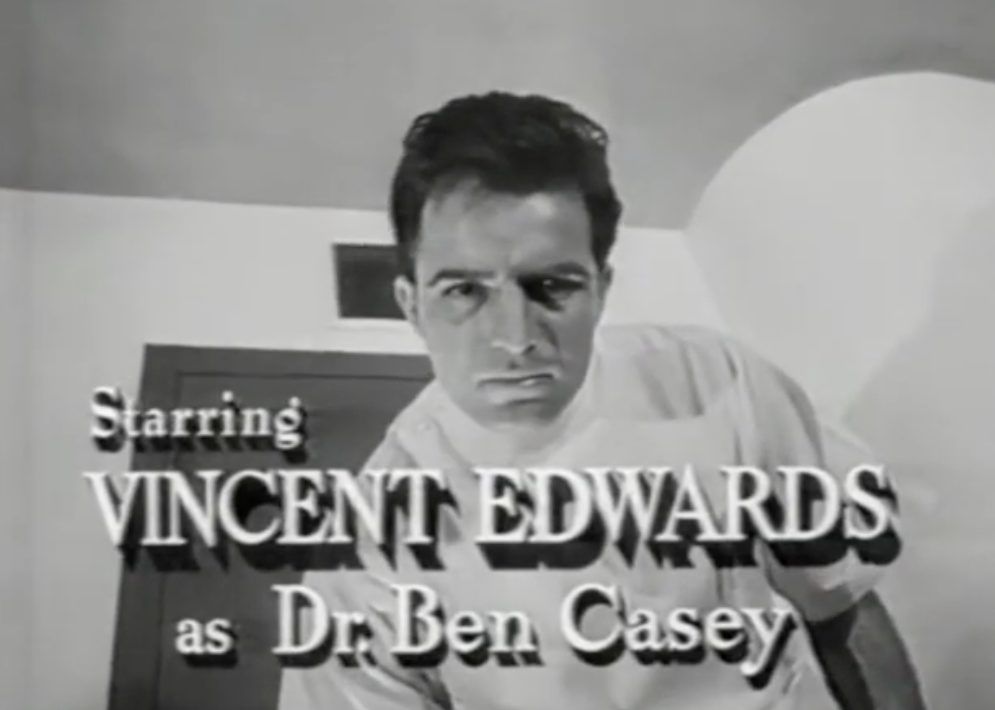
You should watch a Dr Ben Casey video. It’s a very old television series from the black-and-white era but still good entertainment.
Whenever Dr Casey tells a patient about their problems he is dead serious. He means what he’s saying and his patients know it.
In a typical episode, Dr Casey looks sternly at the patient’s x-ray, furrows his brow, flexes his masseter muscles then turns to the patient, looks them straight in the eyes and says:
“We need to operate immediately!”
Dr Casey’s case acceptance was 100%.
Fortunately, as dentists we’re almost never dealing with life and death but even so we tend to underwhelm patients. We downplay what needs to be done. We don’t want to worry the patient so we use minimising words.
For example, we use adjectives such as “little” (“There’s a little crack in that tooth.”), “quick” (“Let’s have a quick look at what’s going on.”), “tiny” (“There’s a tiny spot of decay.”) or “touch” (“You’ve got a touch of gingivitis.”).
By doing this we confuse patients. They don’t know if their problems are serious or not.
If Dr Casey were speaking with a patient he would never use words like “little”, “quick”, “tiny” or “touch”.
When you tell a patient about the treatment they need are you dead serious? Do you use minimising words? Does your demeanour let them know you’re talking about something important? Something that requires action?
Of course, don’t exaggerate or make stuff up but when it gets down to discussing treatment be like Dr Casey.
Full of gravitas.